Spot the upstream signal
A lab, regulator, chip maker or cloud platform changes what is possible before most people see a product.
What new capability or constraint is moving into the water?
Boiling Frogs briefings are not a filing cabinet of tech takes. They are a heat map: what changed this week, where it enters ordinary life, why it matters, and which question a sensible reader should ask next. Refreshed for the September 2026 pass so the archive stays tied to today's temperature, not last month's headlines.
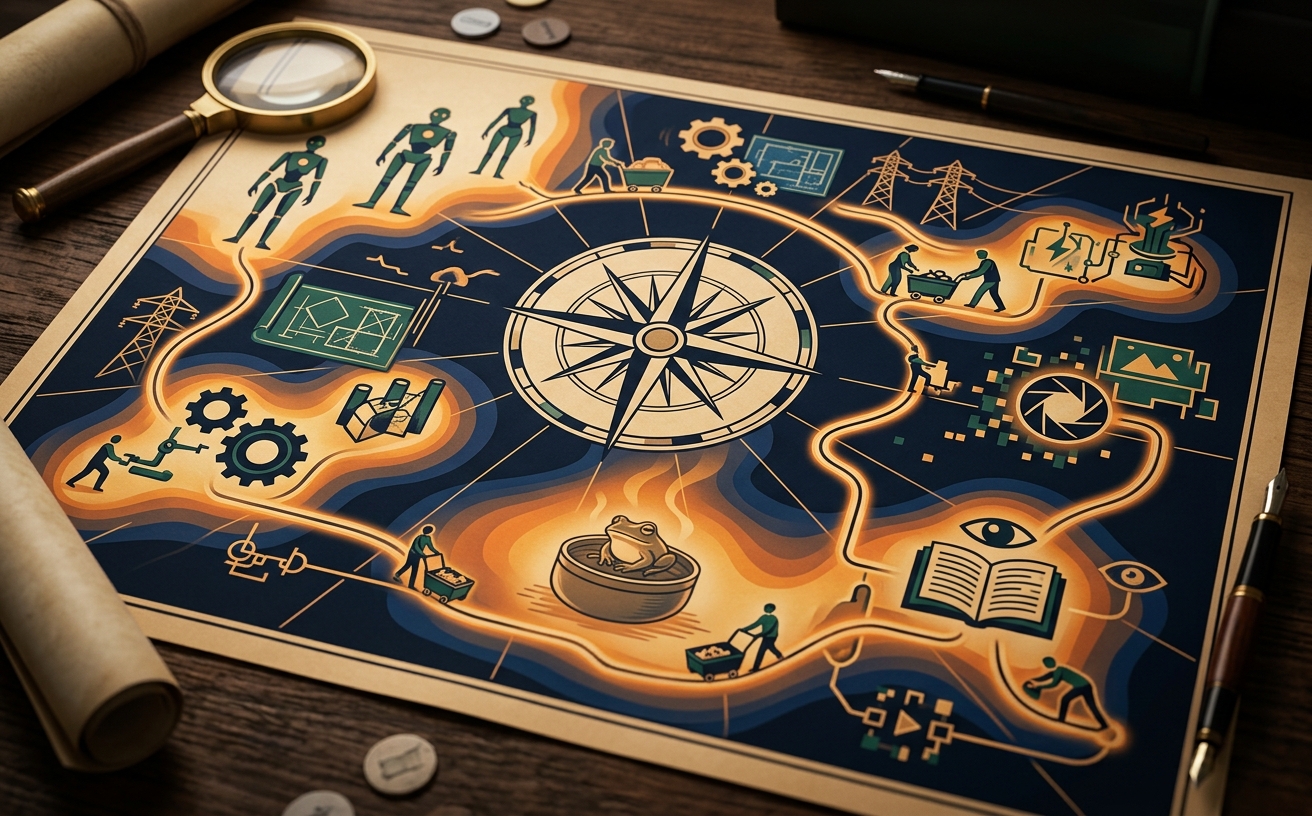
This archive now works like a newsroom decoder: start with the signal, translate it into an ordinary room, then ask what changed about trust, work, power or learning.
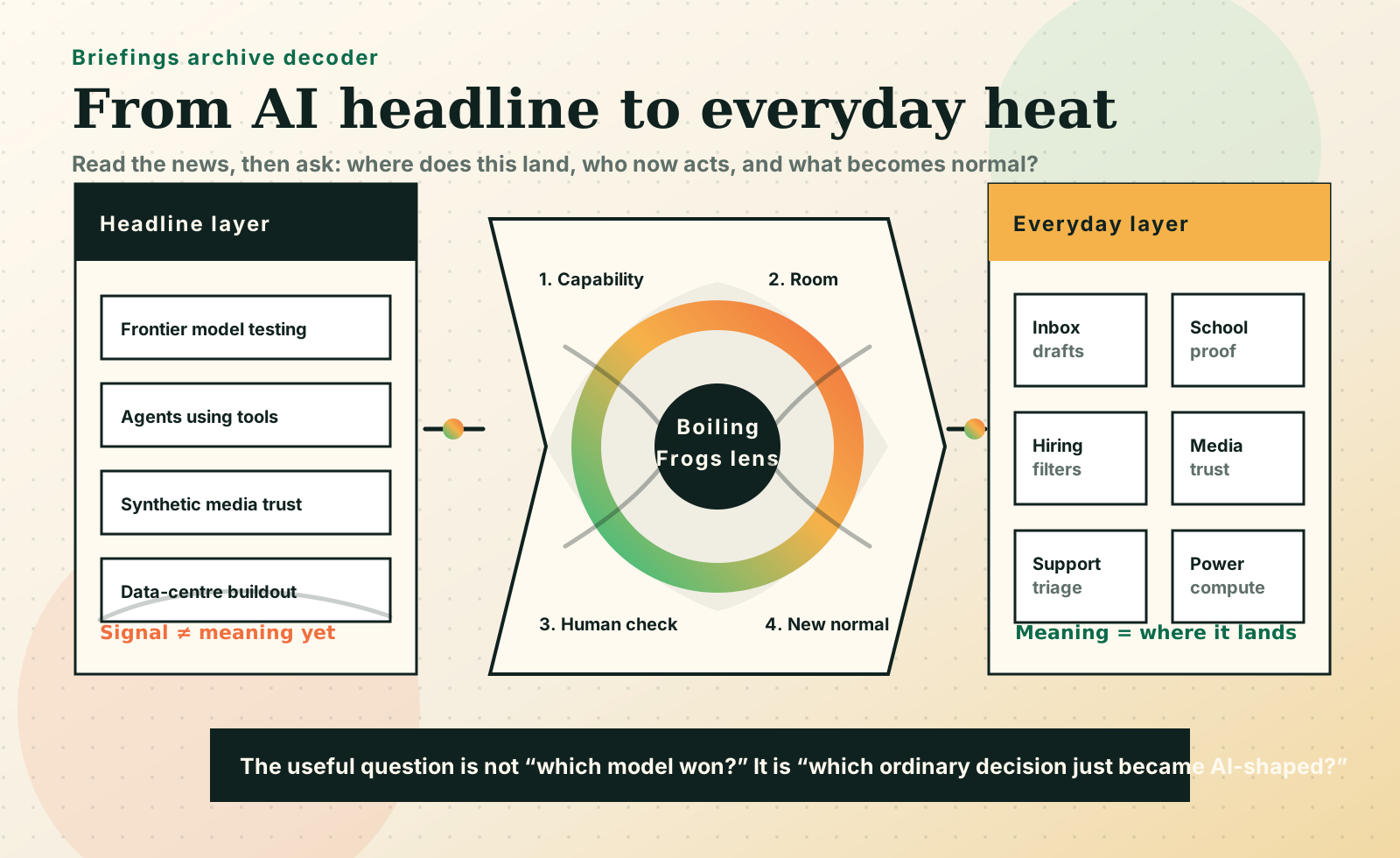
A lab, regulator, chip maker or cloud platform changes what is possible before most people see a product.
What new capability or constraint is moving into the water?The same headline lands differently in an inbox, classroom, hiring desk, support queue, news feed or council office.
Where will a non-expert meet this first?The quiet jump is from “AI suggests” to “AI drafts, ranks, routes, books, files, buys, codes or escalates”.
Which human check became optional, invisible or too late?Once a tool becomes expected, the debate changes from “should we use it?” to “why are you not using it yet?”
What habit would be hard to reverse in six months?A reader can arrive cold, scan these cards, then choose the deeper briefing that explains the pattern behind the news.
For readers: “tested by someone” must not become “safe for every school, office and family use”.
NIST / CAISI, 5 May 2026 ↗ Agents, not apps WorkflowsThe first big change may be the boring admin around a job, not the job title printed on the contract.
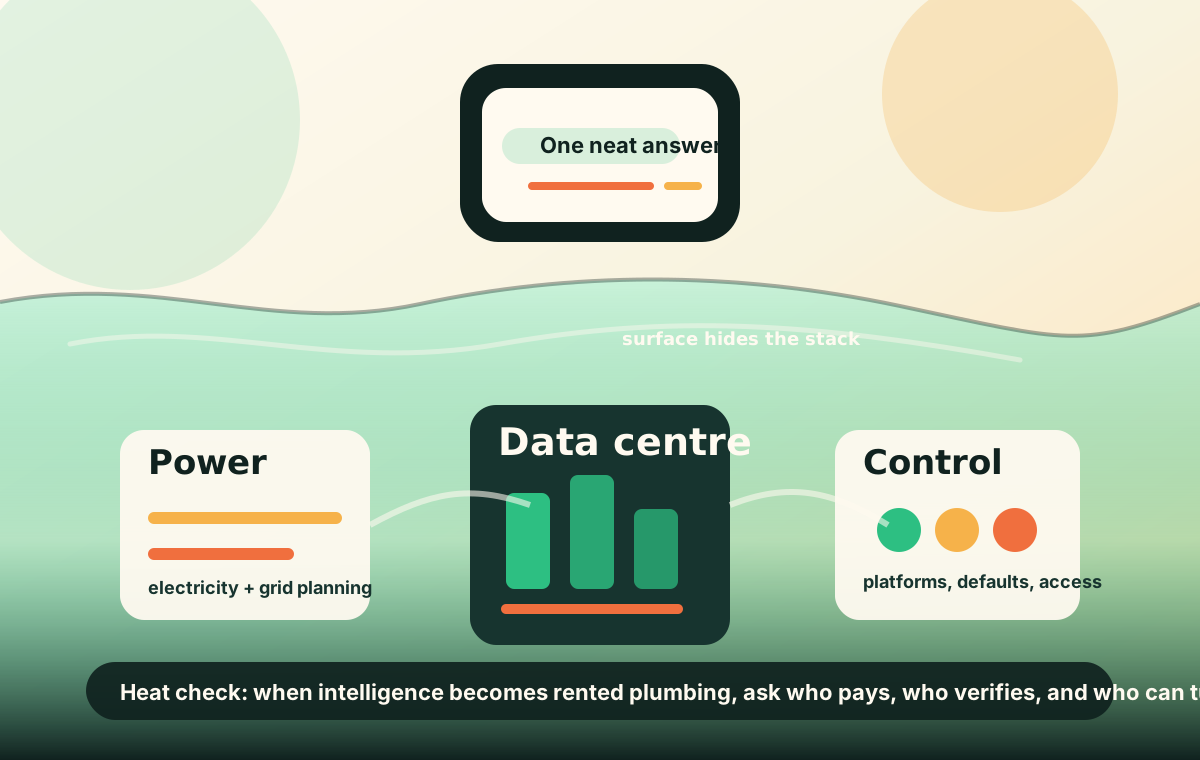
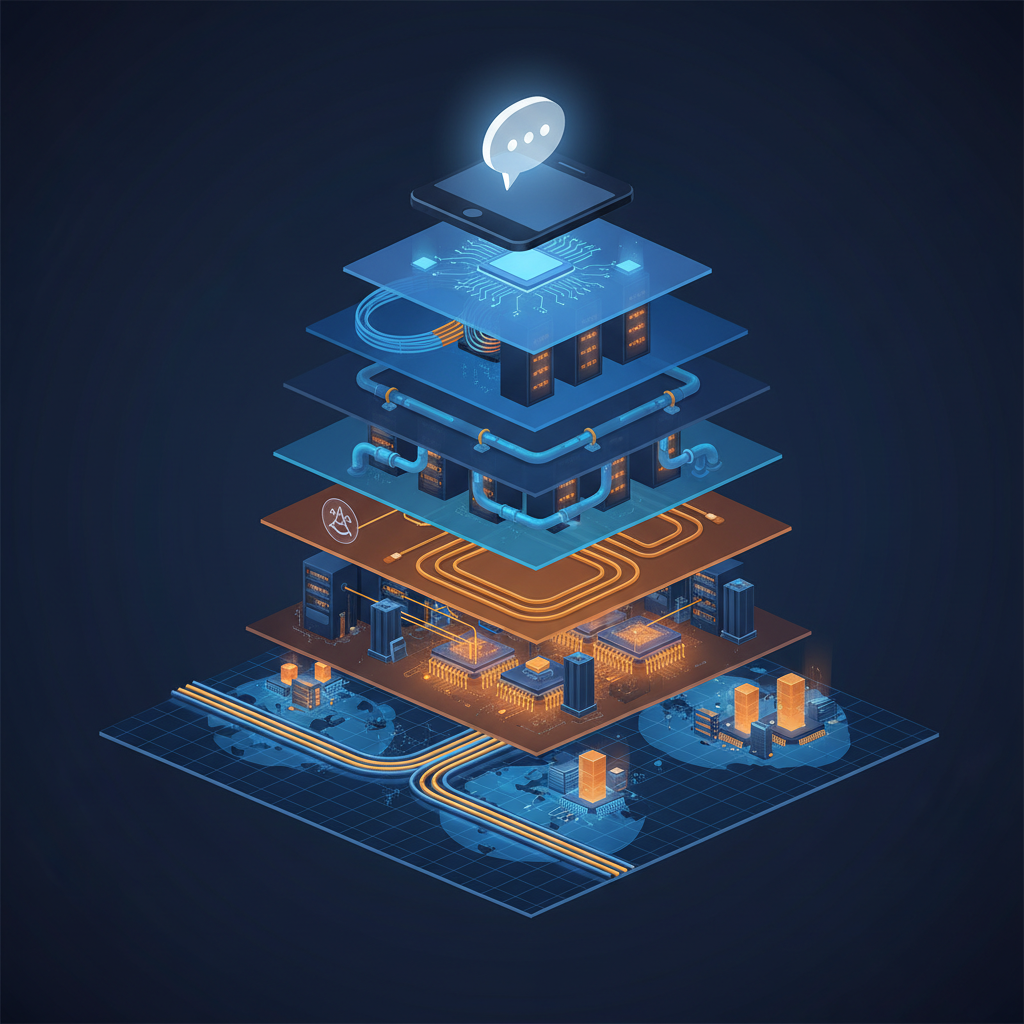
Boiling Frogs permission-chain briefing ↗ Physical footprint InfrastructureA simple answer on a phone now points to chips, cooling, data centres and power planning behind the curtain.
IEA Energy and AI, 2025 ↗A sharper archive should not just collect briefings; it should teach readers how to read the next headline. This board gives three source-backed moves: check the scope, find the handoff, then trace the plumbing.
Analogy: a headline is the steam on the window. The clinic asks which room is warming, who adjusted the thermostat, and what pipe runs behind the wall.
Useful: evaluators got closer to the kitchen. Still ask which risks, versions and real-world settings were actually checked.
Scope check: School, council service or workplace procurement desk Anthropic Economic Index · 2025Do not wait for a job-title earthquake. Look for quiet task transfers: drafts, rankings, summaries, comparisons and escalations.
Handoff check: Inbox, support queue or manager’s dashboard IEA Energy and AI · 2025The answer box is the tap. The real story is chips, cooling, power contracts, local infrastructure and who owns the pipes.
Plumbing check: Energy bill, planning meeting or cloud budgetThis is the archive’s editorial promise in miniature: not “AI news happened”, but “here is where the heat may land in a school, office, public service, family phone or local power bill”.
Analogy: treat each headline like steam under a kitchen door. The interesting part is not the puff of steam; it is which room is warming next.
Labs invite evaluators in before launch.
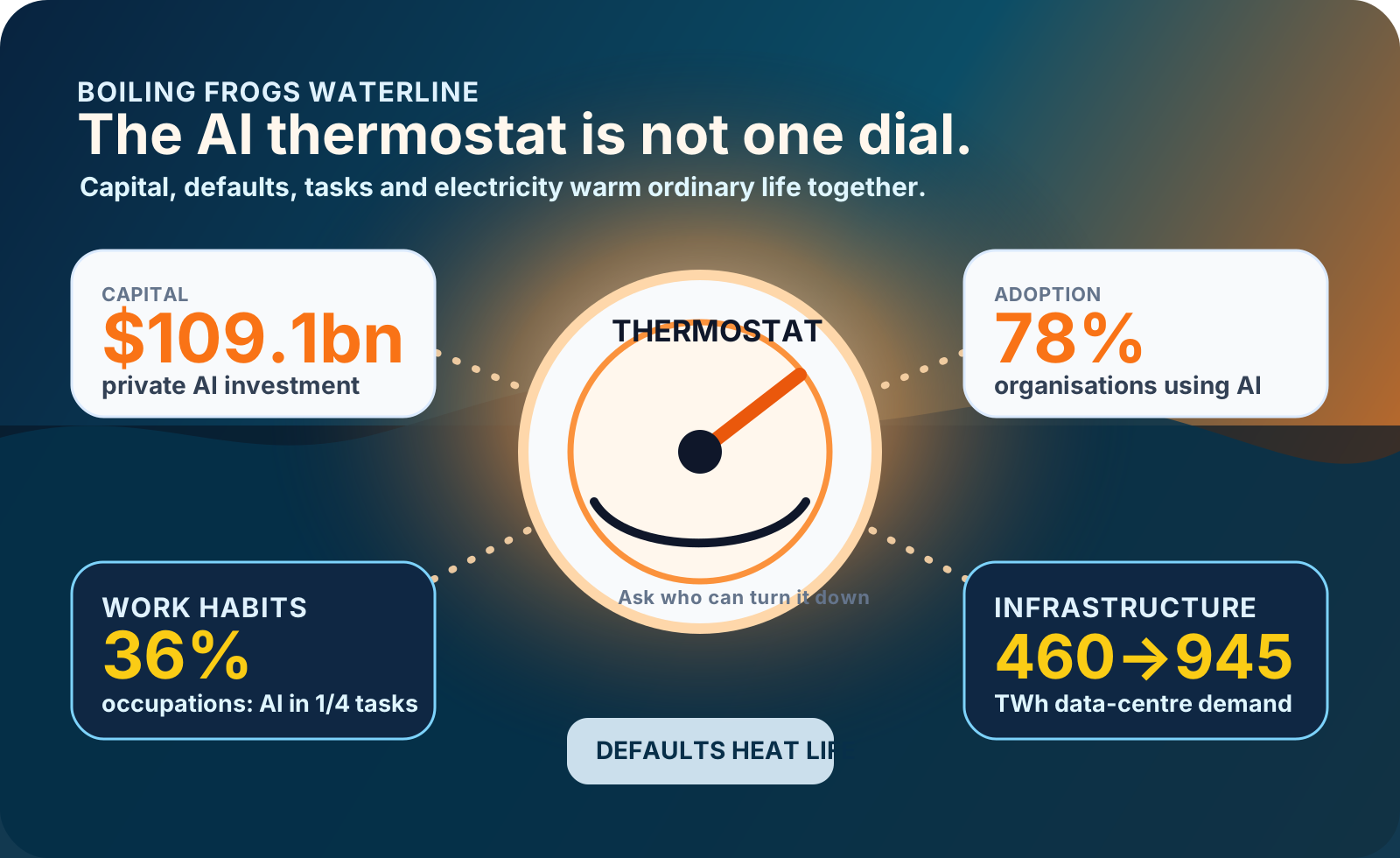
Readers should ask which risks were tested before “safe” becomes a marketing shorthand. Source ↗AI touches at least a quarter of tasks in more than a third of occupations.
The useful unit is the task hand-off: draft, rank, route, summarise, compare, approve. Source ↗Data-centre electricity demand could roughly double from 2022 to 2030.
Translate the magic answer box into plumbing: chips, cooling, grid capacity and control. Source ↗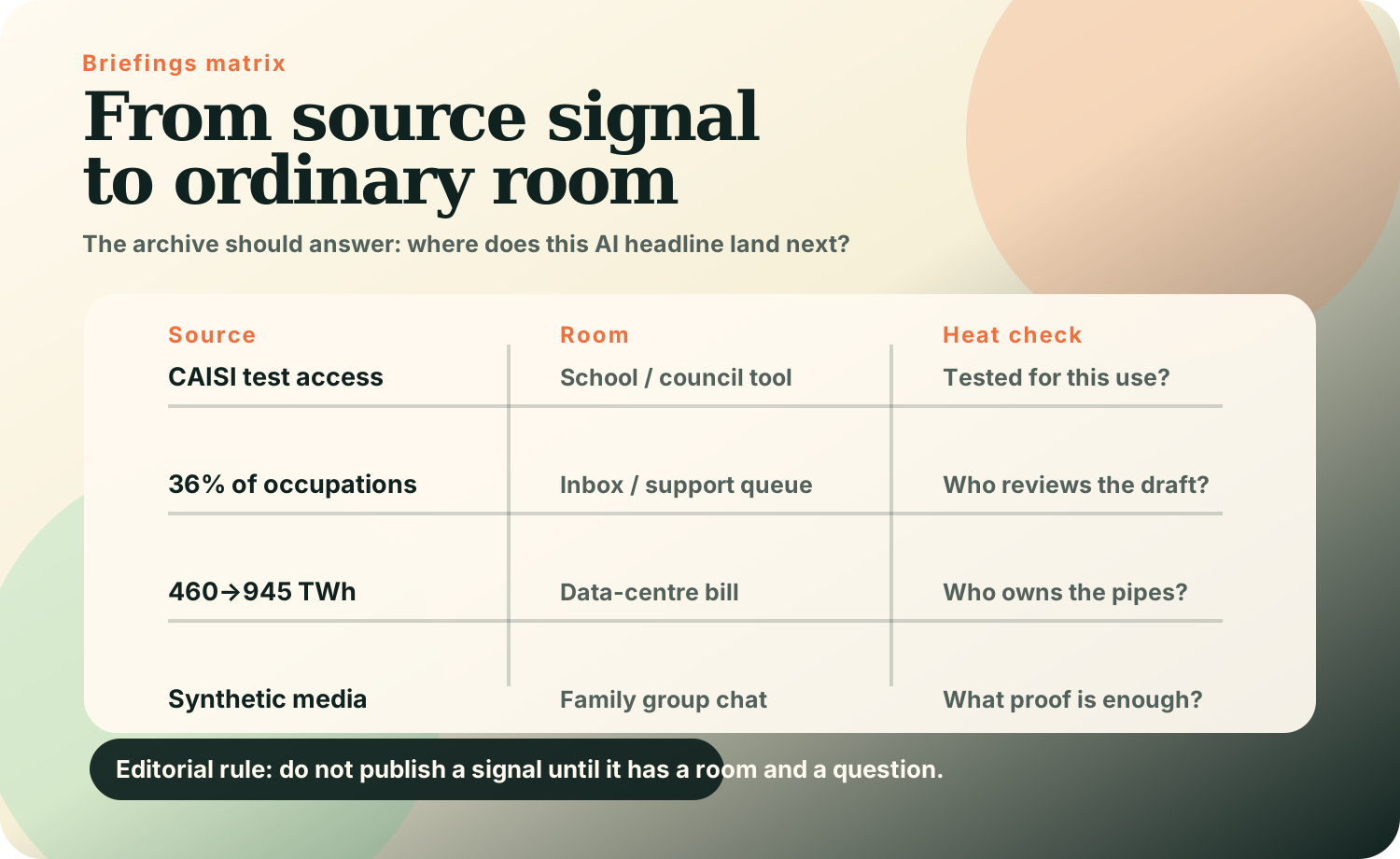
This new archive checkpoint makes the site feel more current and less text-only: every headline is tested against a real room, a visible consequence and a practical reader question.
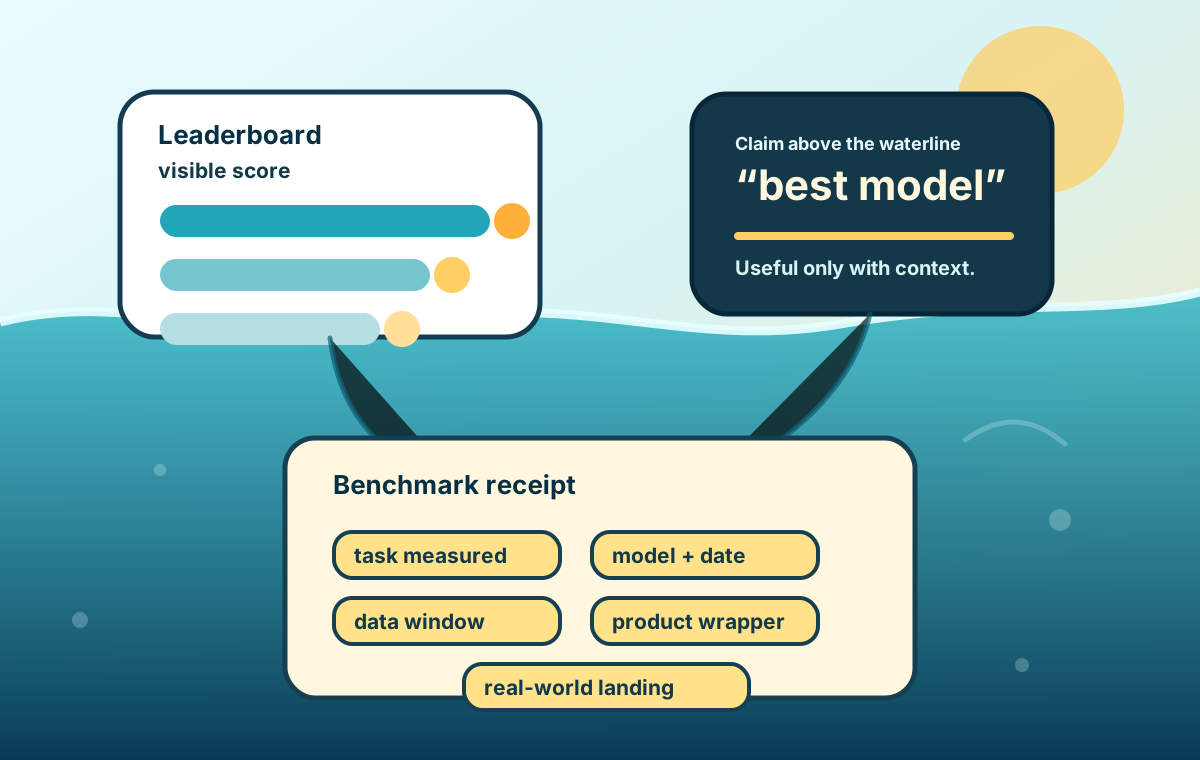
Was the exact product and use case tested, or only the model before it was wrapped in an app?
02 · 36% of occupationsWhich first draft, ranking or escalation now frames the human decision?
03 · 460→945 TWhWho pays for the pipes, and who controls access when intelligence becomes rented infrastructure?
04 · Synthetic mediaWhat original source, timestamp or corroboration would be enough before sharing?
Each lane connects news to daily life: the office tool that writes first drafts, the school policy that lags behind homework reality, the hiring filter, the customer-support bot, the synthetic media clip, the cloud bill behind a chatbot.
Current signals from labs, governments and policy desks where tomorrow’s public tools are being tested today.
Latest: The AI warranty receipt: what is promised after the shortcut ships?Who owns the models, infrastructure, defaults and checks as AI becomes a background layer of society.
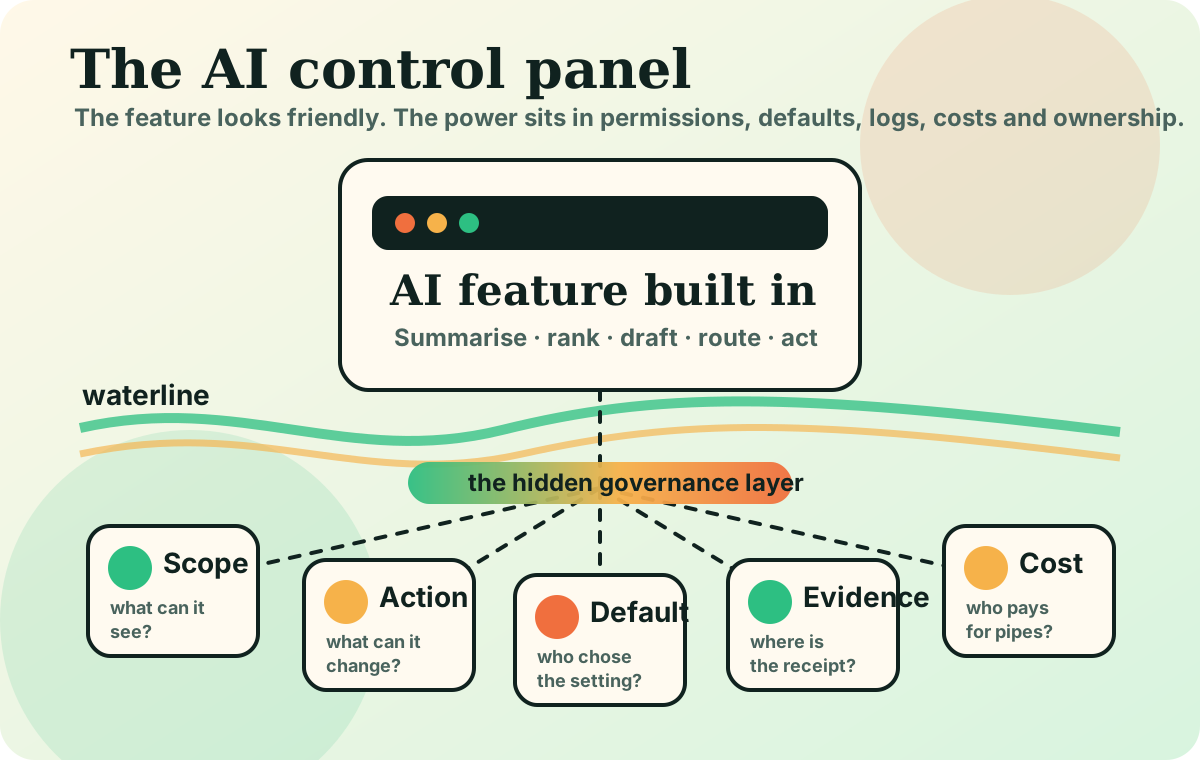
Latest: The AI control panel is moving into everyday softwareTask-by-task changes inside ordinary jobs: writing, research, meetings, support, coding and decisions.
Latest: The workplace AI thermostat: when optional tools become expected habitsPractical questions for families, schools and leaders before outsourcing judgement to software.
Latest: AI Literacy: What Families, Schools, and Leaders Should UnderstandPlain-English concepts that translate AI jargon into ordinary consequences and useful questions.
Latest: AI Agents: From Chatbots to Digital ActorsThe frame: how the frog-water metaphor helps spot gradual AI change before it feels obvious.
Latest: The Boiling Frog Problem: Why AI Change Feels SuddenFor readers who are not tracking every model launch, the useful starting point is often a small local symptom: a polished email, a too-perfect essay, a faster support queue, a suspicious clip. This board turns those clues into a reading route.
Analogy: do not start by naming the boiler. Start by finding the warm radiator in the room, then trace the pipe back.
The first draft becomes the decision frame before anyone checks the source trail.
Read next: Work → 02 · School tableLearning shifts from understanding to laundering fluent output.
Read next: AI literacy → 03 · Public service queueAccountability moves behind a screen while the service still feels human.
Read next: Agents → 04 · Media feedThe cost of doubt falls faster than the habit of checking evidence.
Read next: Trust →Short, sourced and written for people who need the signal without living inside the AI news cycle.
 News lens
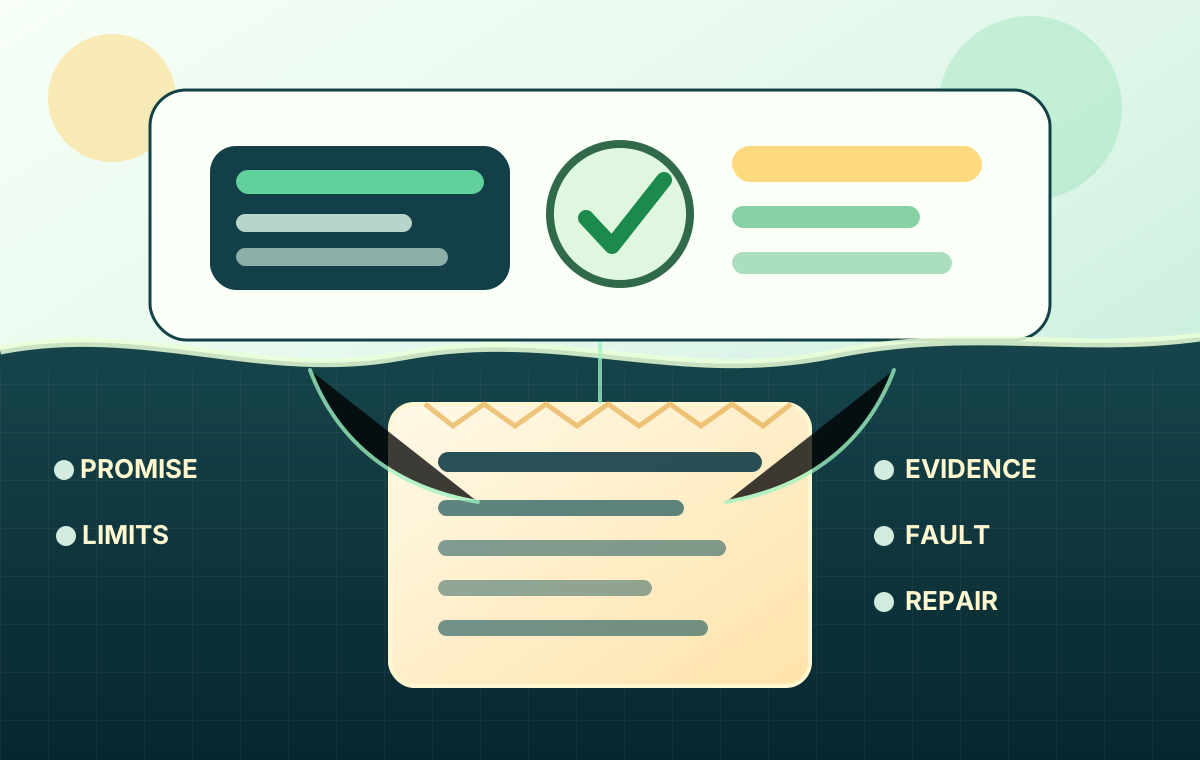
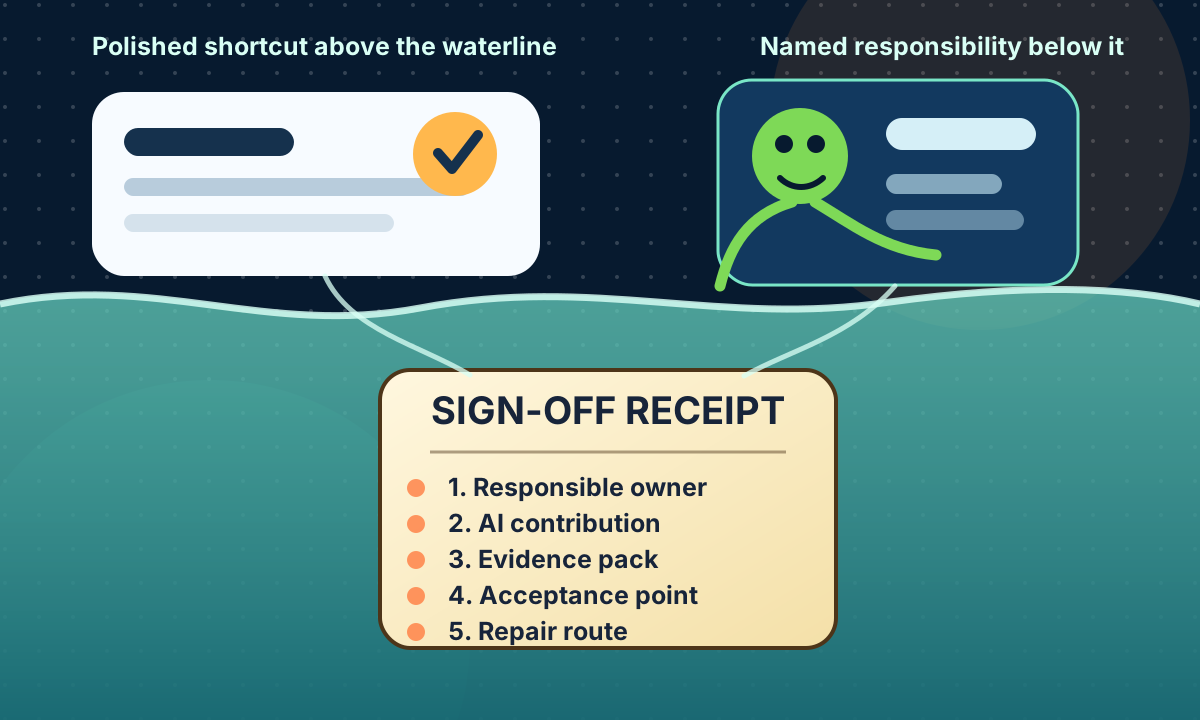
 A plain-English briefing for checking what support, limits and repair promises come with an AI feature once it becomes part of ordinary work.
 News lens
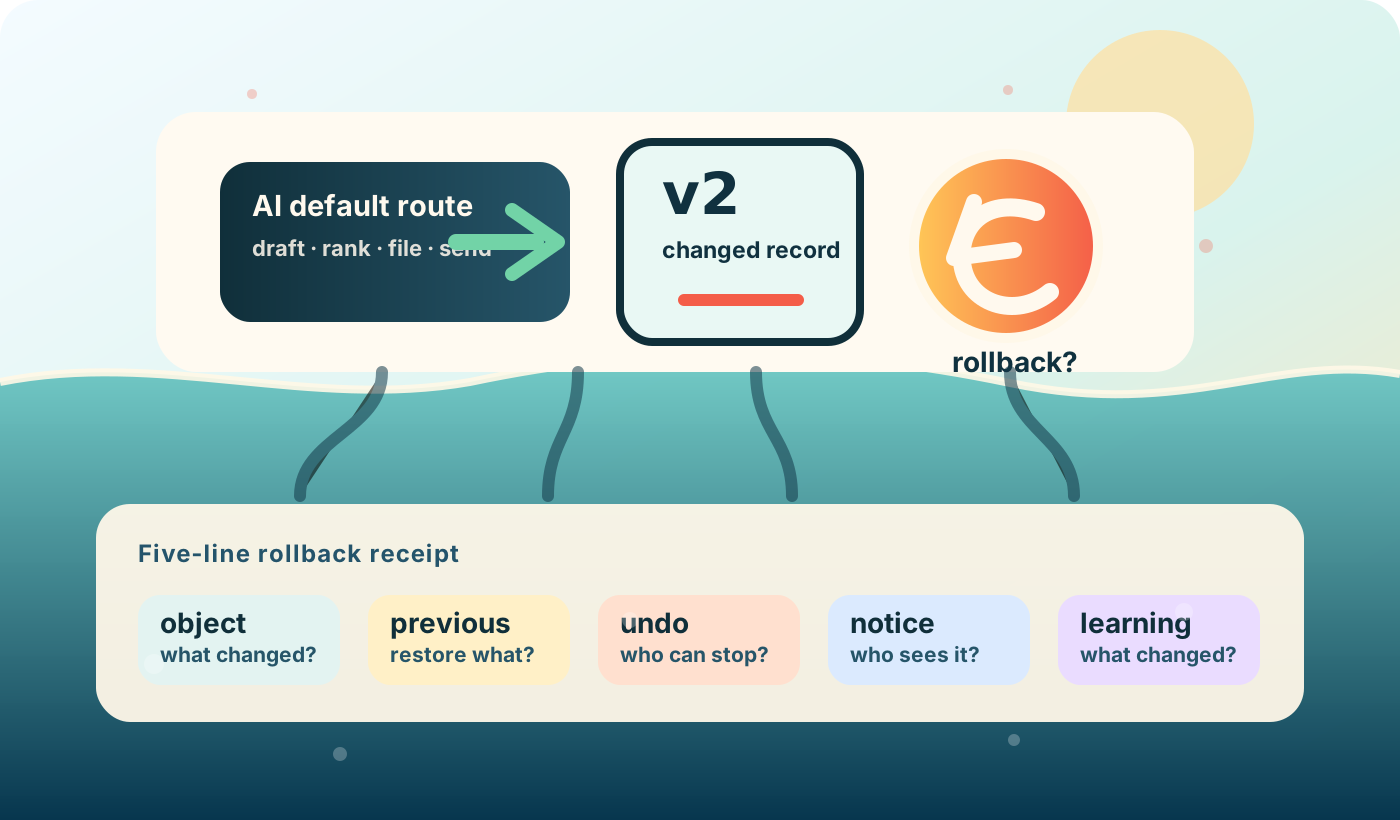
 A plain-English briefing for checking whether an AI-shaped record, recommendation or action has a named human owner before it becomes normal infrastructure.
 News lens
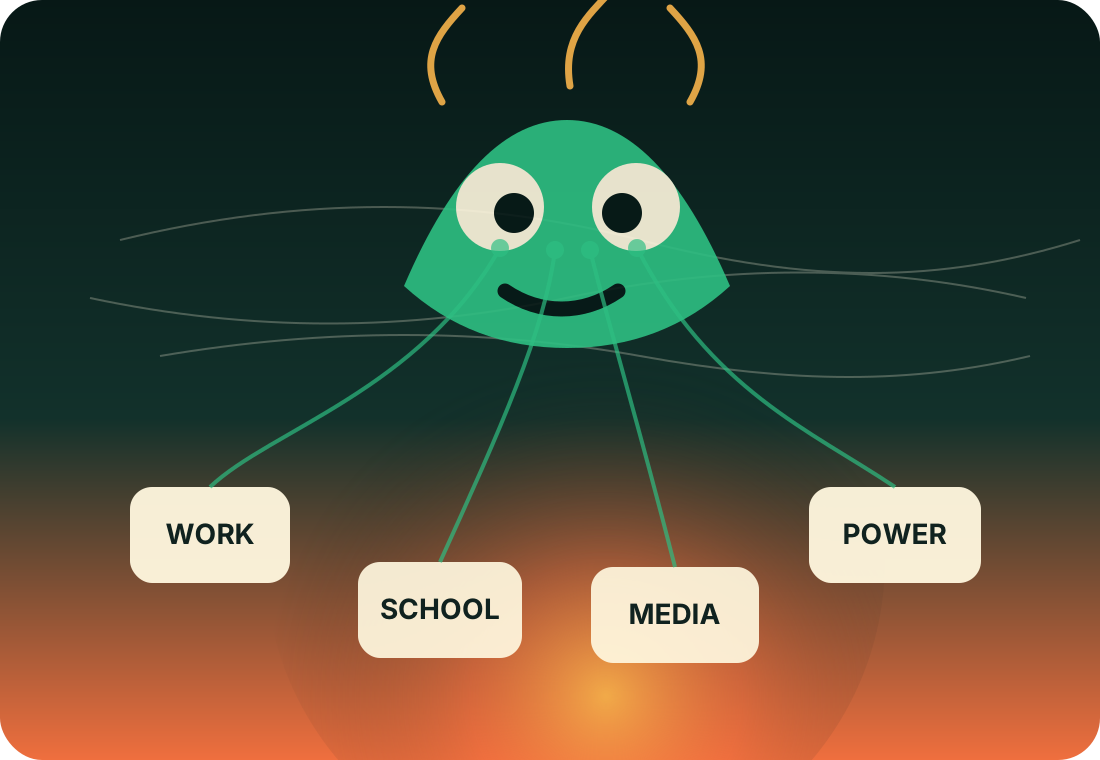
 A plain-English briefing for checking whether an AI-assisted decision, route, record or action can be reversed when the default path turns out to be wrong.
 News lens
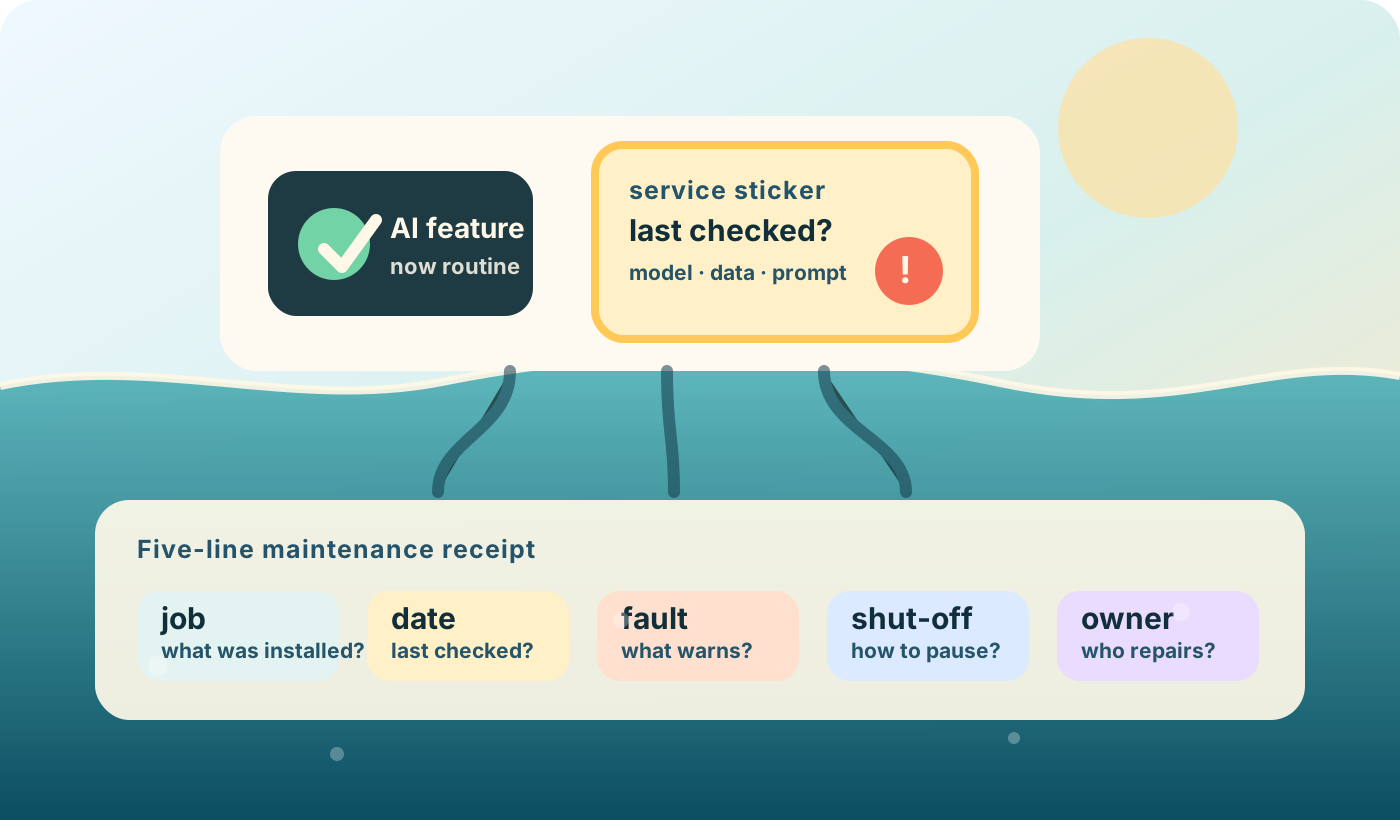
 A plain-English briefing for checking whether an AI workflow has a visible incident trail when a summary, score, route, reply or agent action goes wrong.
 News lens
 A plain-English briefing for checking whether an AI workflow has an owner, inspection rhythm and repair route after the shiny pilot becomes everyday infrastructure.
 News lens
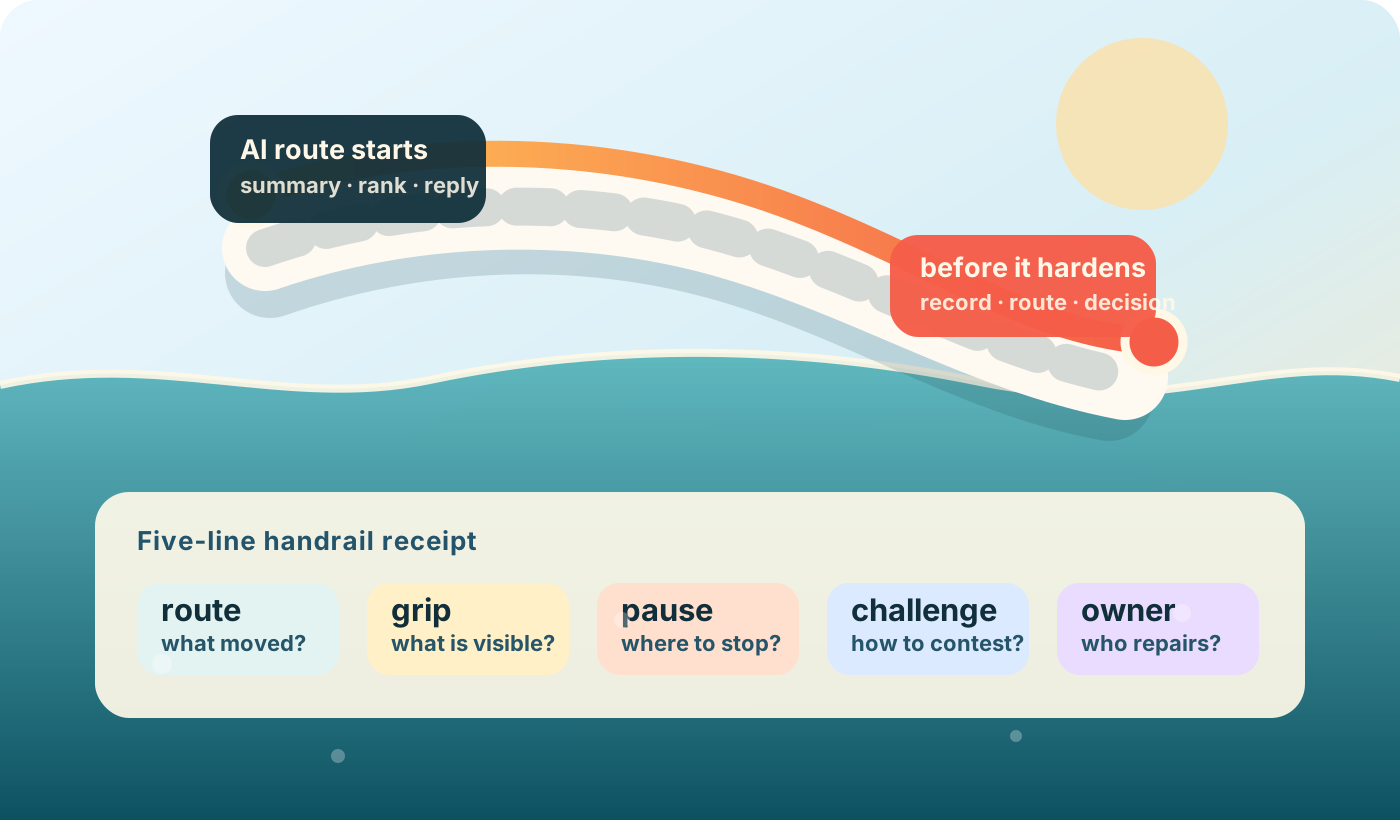
 A plain-English briefing for checking whether an AI workflow gives people a visible handrail before a summary, score, route or reply carries them somewhere consequential.
 News lens
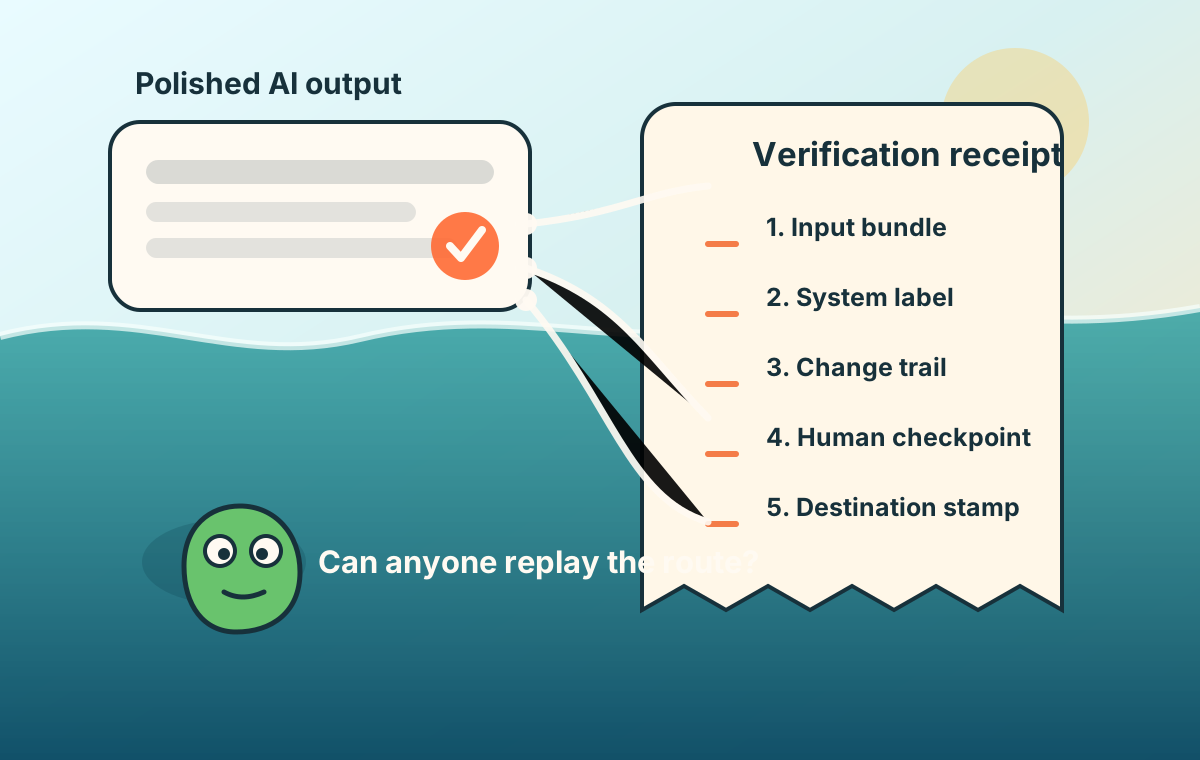
 A plain-English briefing for checking whether a polished AI answer, score or recommendation can be traced, replayed and challenged before people rely on it.
 News lens
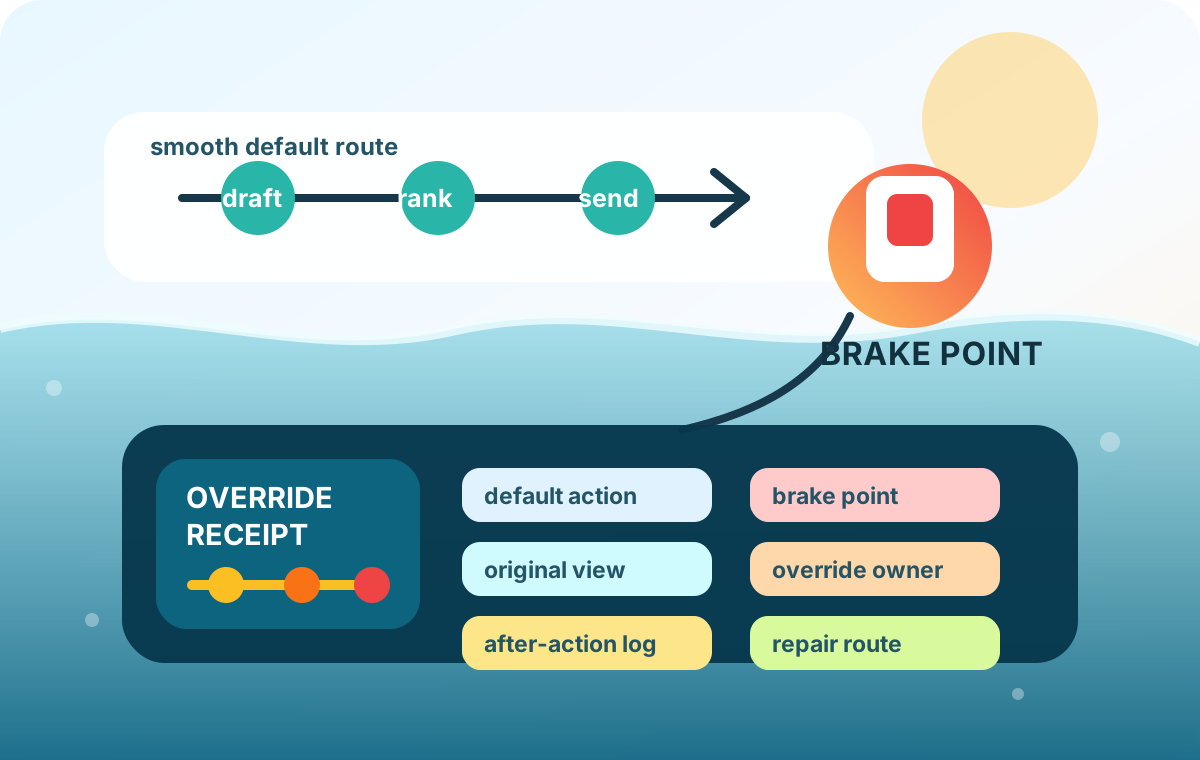
 A plain-English briefing for spotting whether an AI workflow still gives people a real override when automation becomes the default route.
 News lens
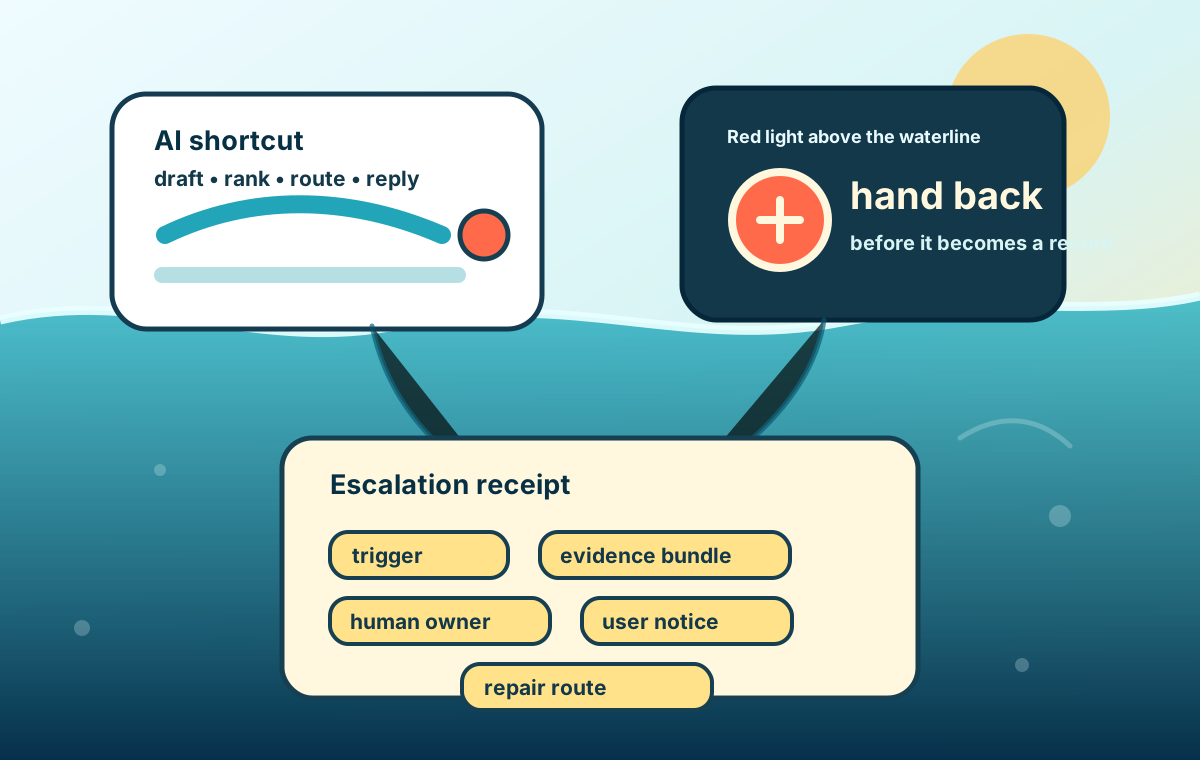
 A plain-English briefing for spotting whether an AI shortcut has a real human hand-back point before the output becomes a record, route or decision.
 News lens
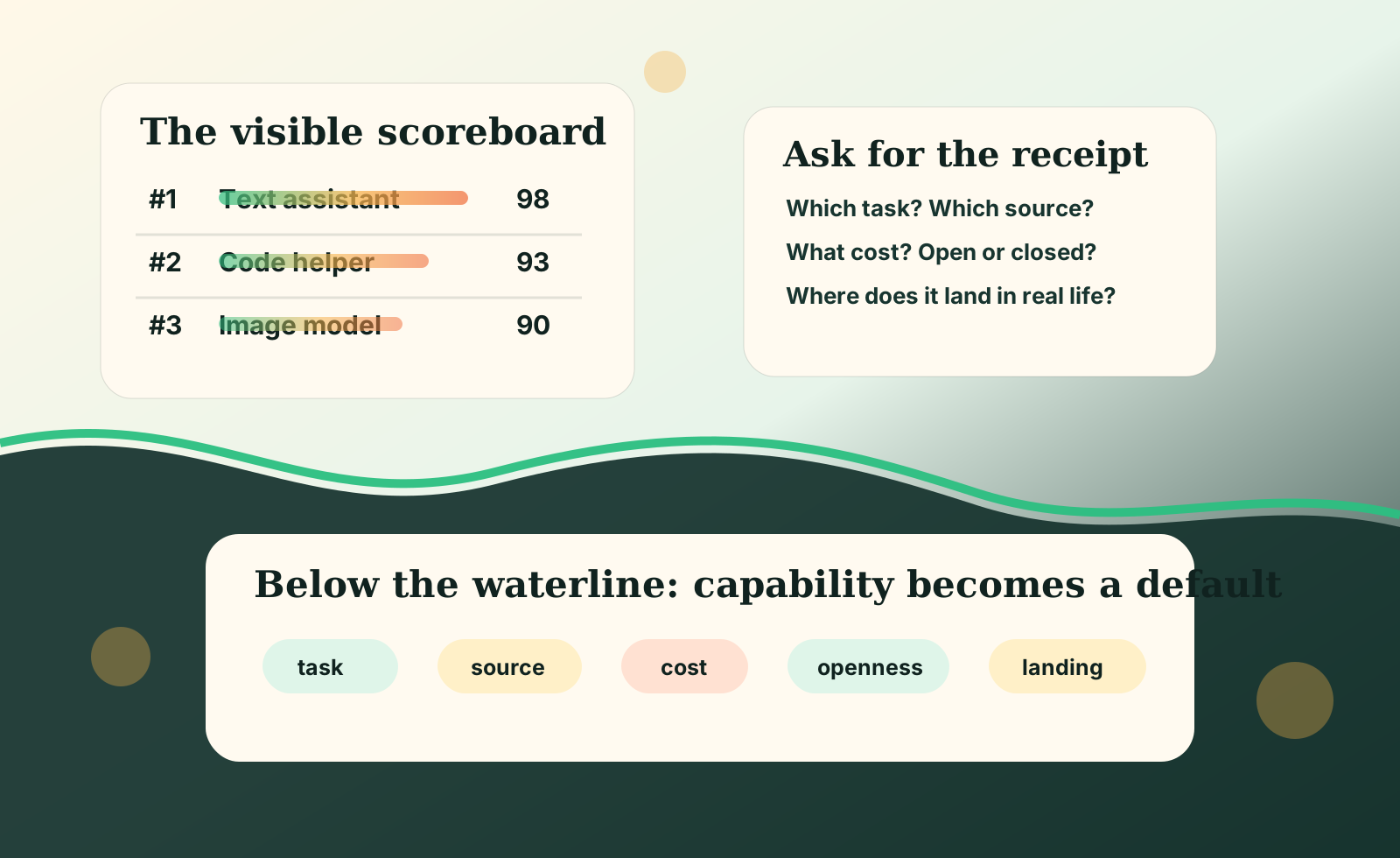
 A plain-English briefing for reading AI model rankings as receipts, not horse races.
 News lens
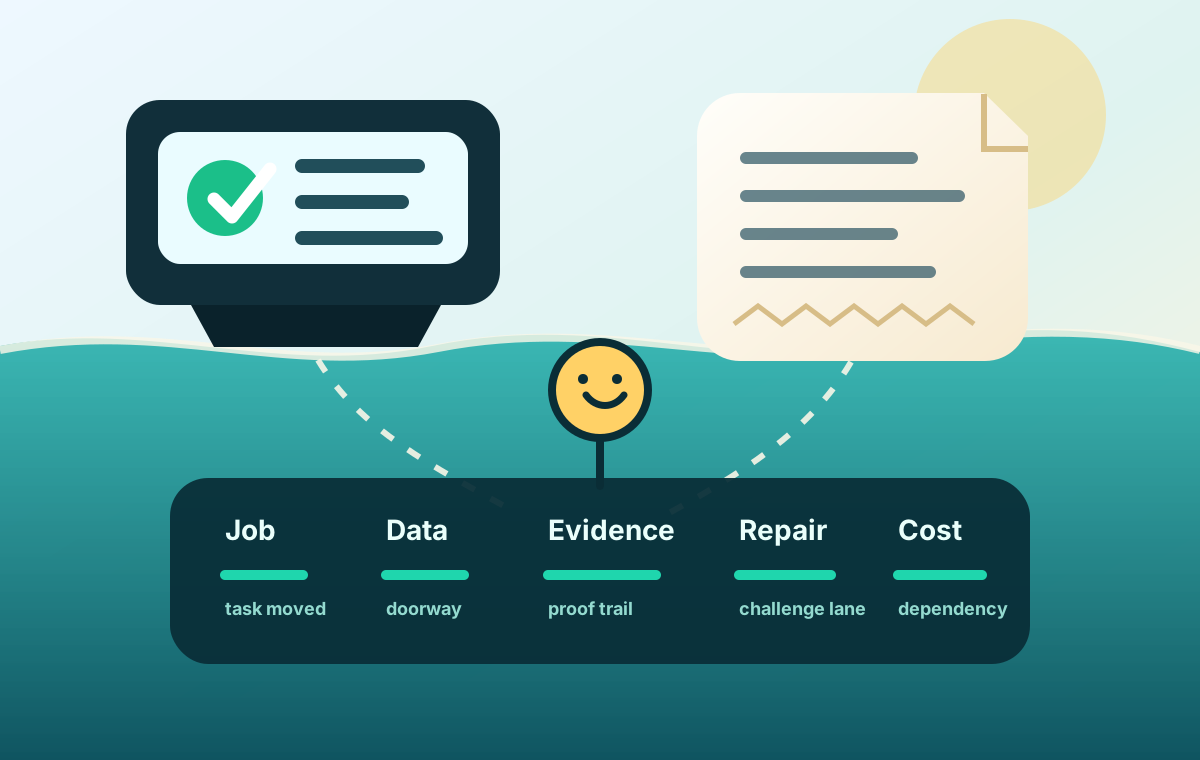
 A plain-English briefing for checking the hidden terms behind AI tools before a pilot quietly becomes infrastructure.
 News lens
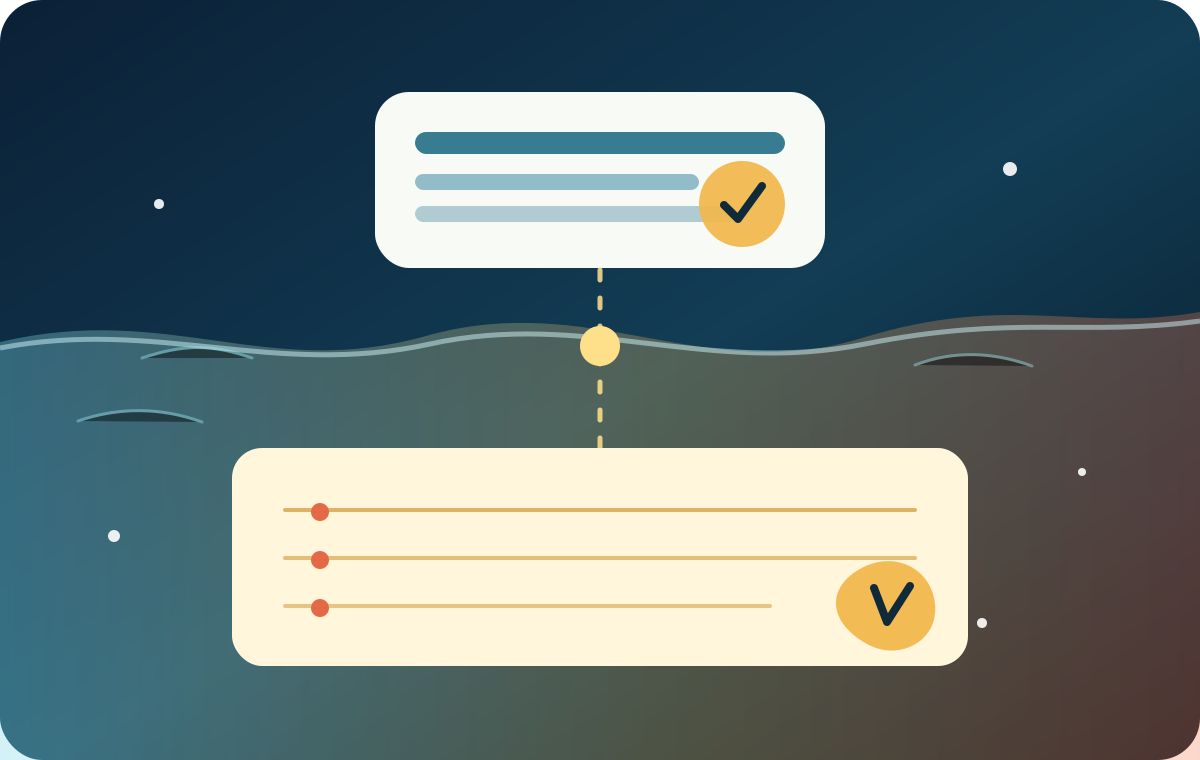
 A plain-English briefing for checking the freshness date behind AI summaries, rankings, recommendations and saved records.
 News lens
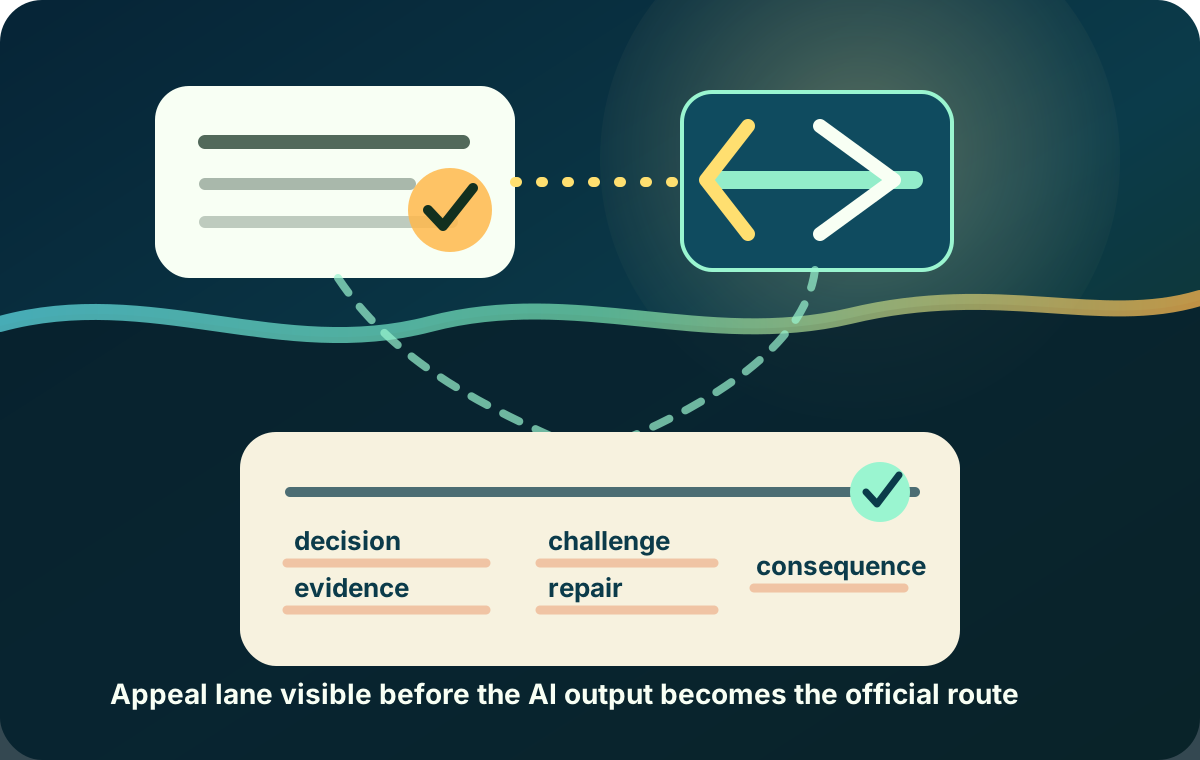
 A plain-English briefing for spotting the appeal lane behind AI rankings, summaries, triage and automated decisions.
 News lens
 A plain-English briefing for checking AI products after updates: release note, affected room, evidence drift, user notice and rollback.
 News lens
 A plain-English briefing for checking AI workflows after delegation starts: monitor, threshold, evidence, owner and rollback.
 News lens
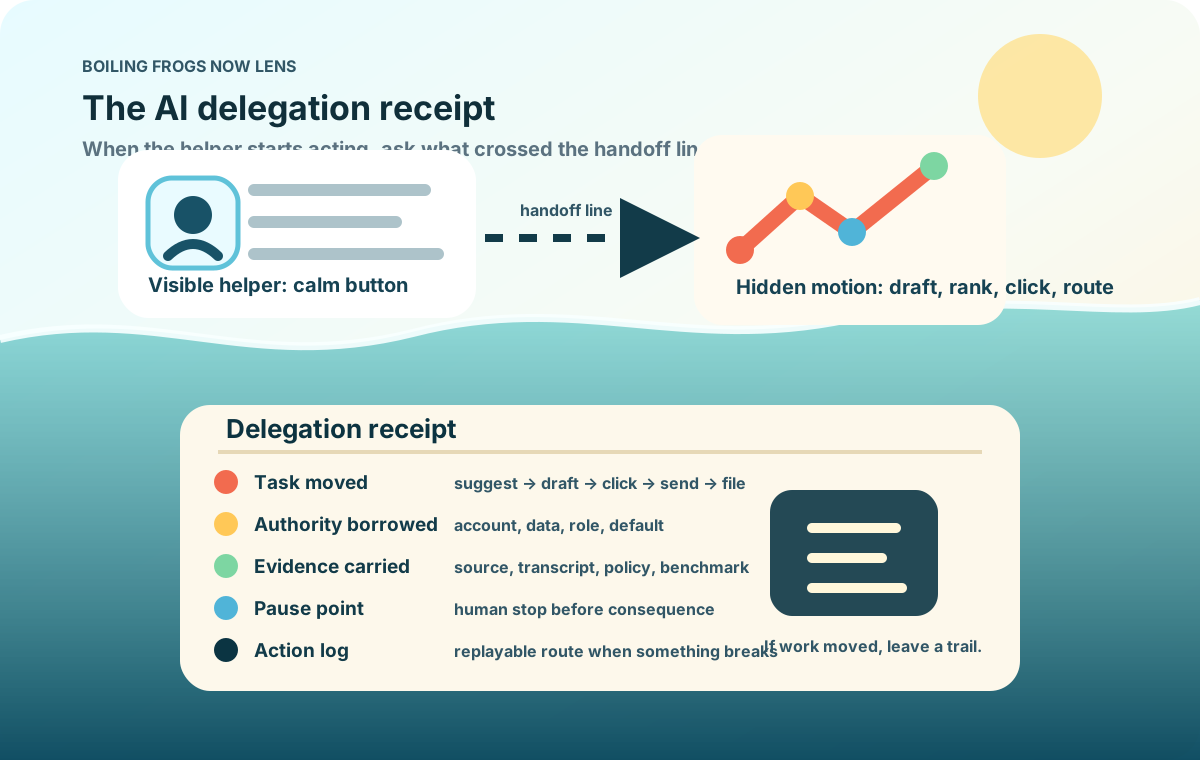
 A plain-English June briefing for checking AI helpers before they move from suggesting to acting: task, authority, evidence, pause point and log.
 News lens
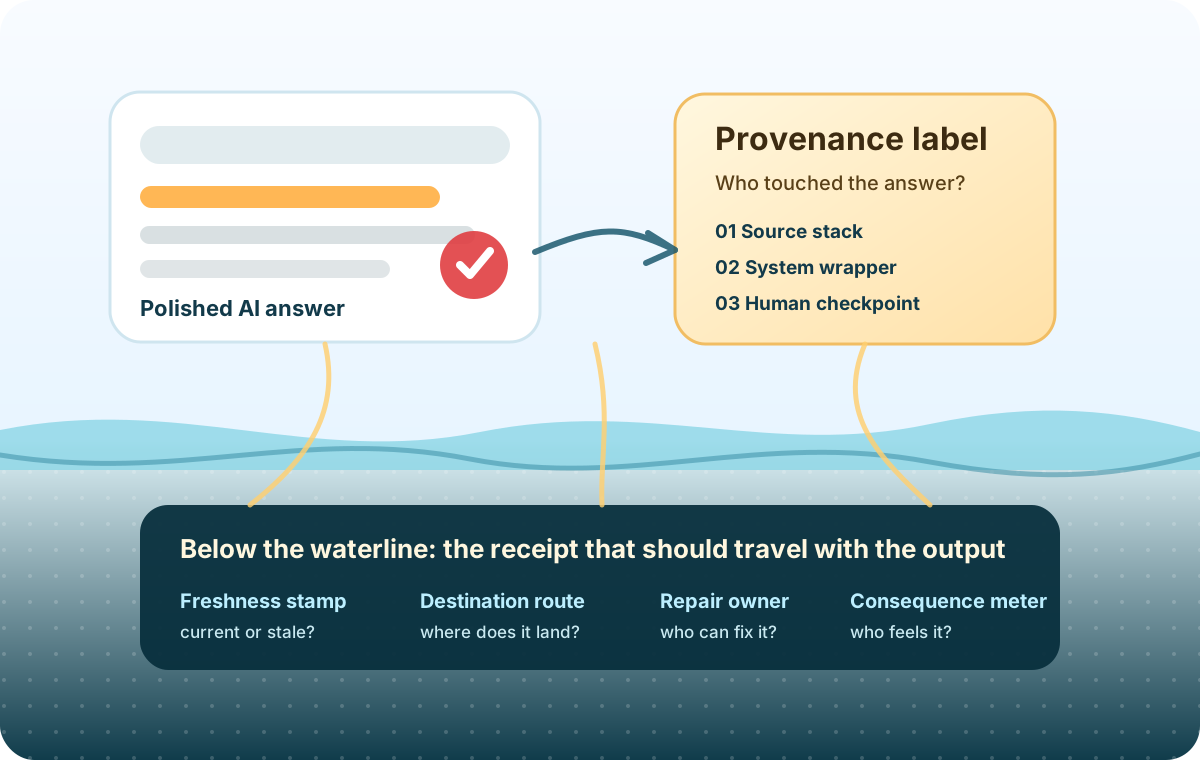
 A plain-English June briefing for checking AI answers, summaries and rankings before they harden into records: source, system, human, date and destination.
 News lens
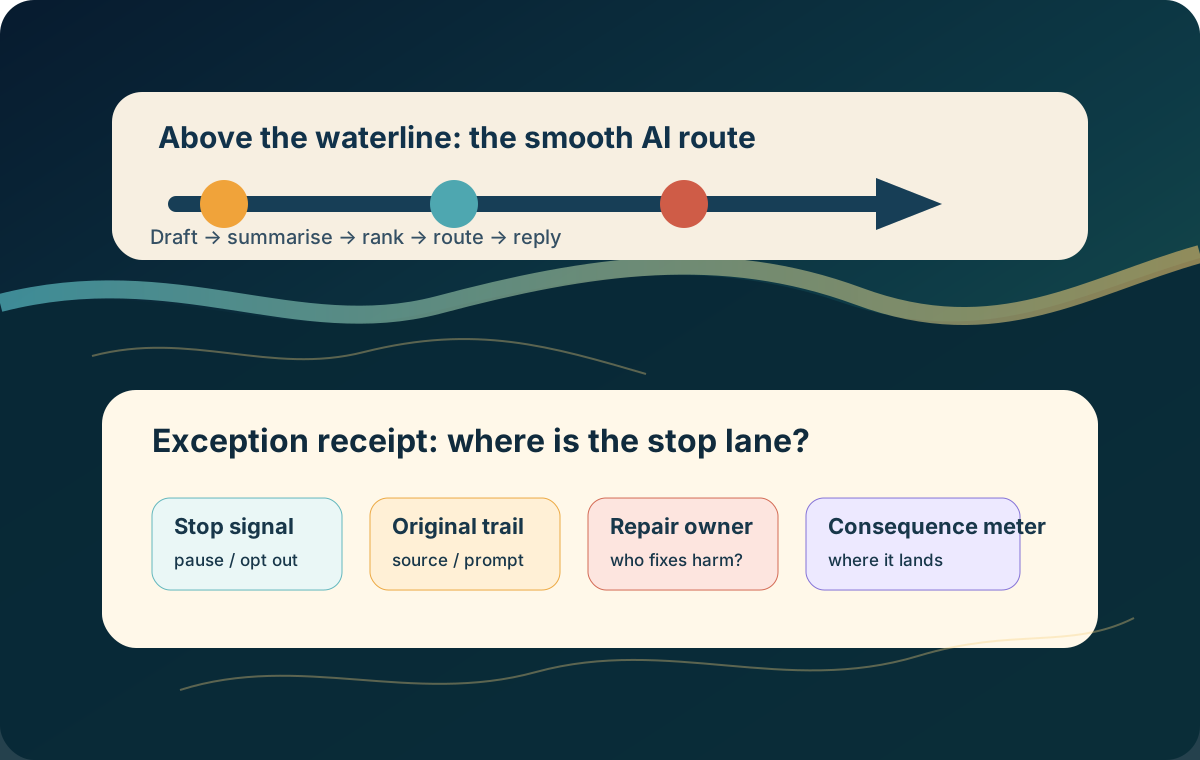
 A plain-English June briefing on the next AI habit to inspect: not whether the default works on average, but what happens when it is wrong, contested or too consequential to automate.
 News lens
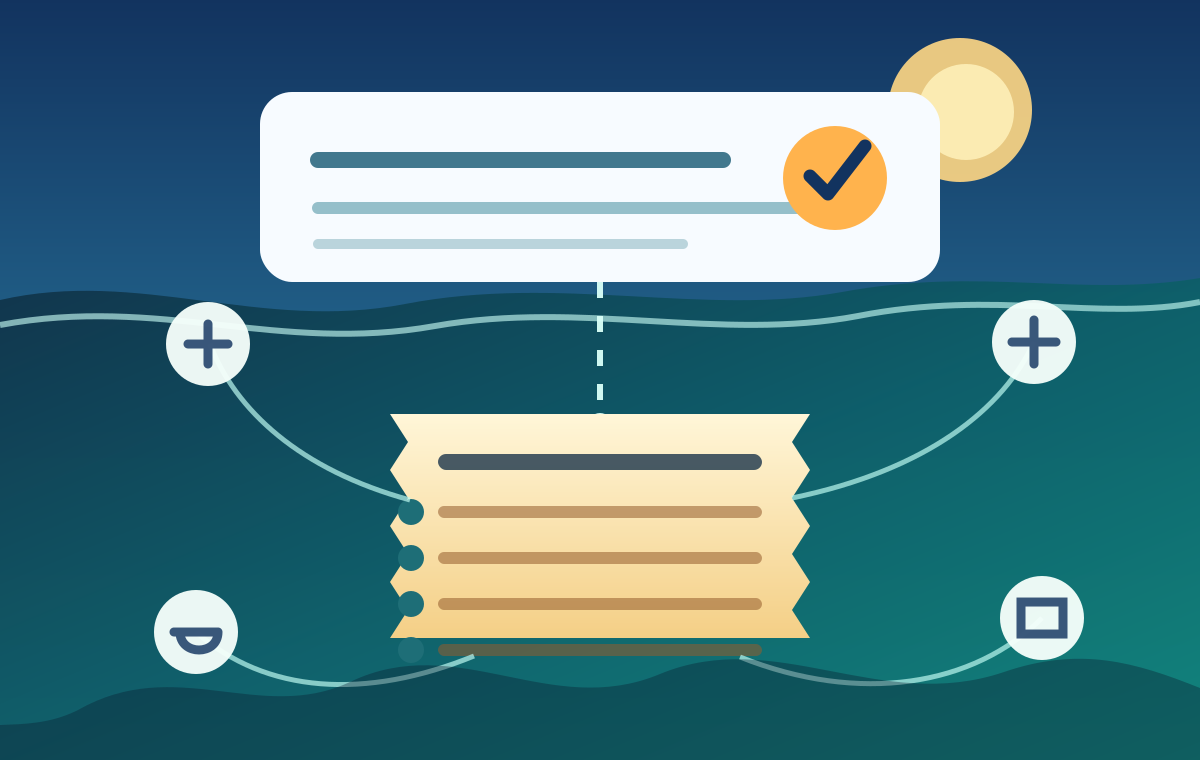
 A plain-English June briefing on why AI answers, summaries and rankings need a visible audit trail: source, model, handoff, human check and consequence.
 News lens
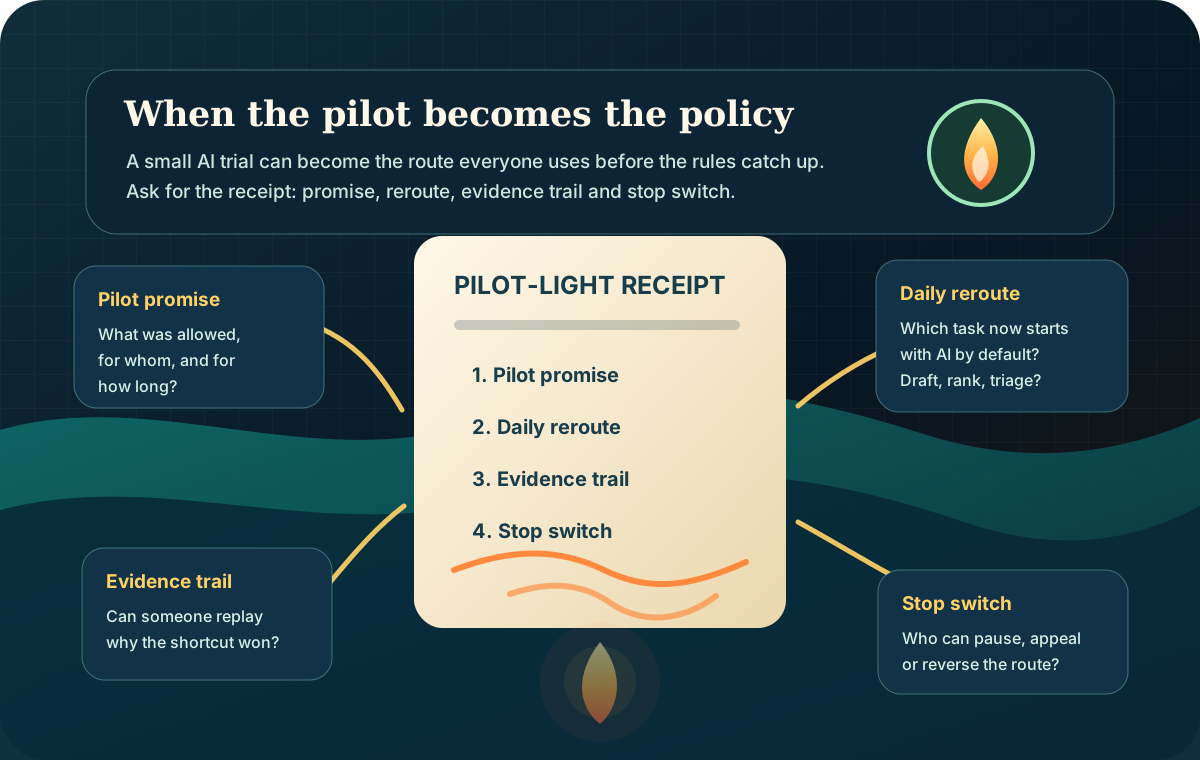
 A plain-English June briefing on the quiet shift from AI pilots to everyday defaults, with a receipt for spotting when a small test has become the route everyone now uses.
 News lens
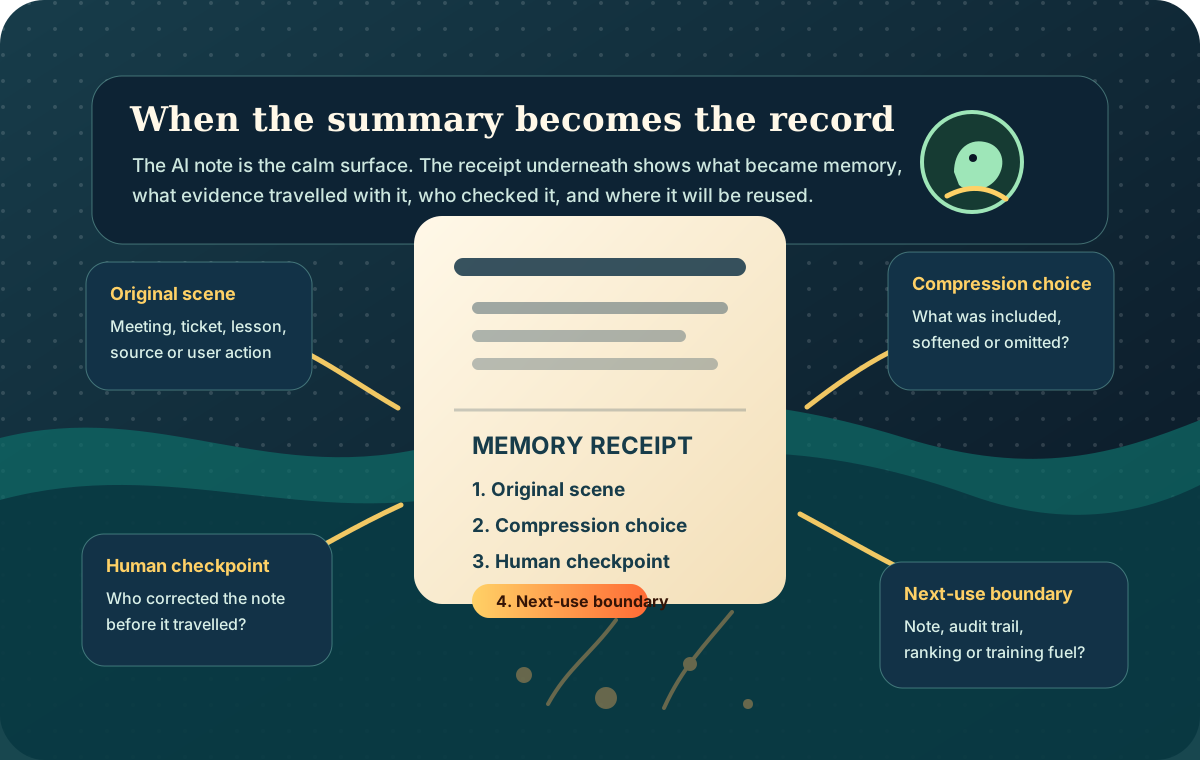
 A plain-English June briefing on the quiet shift from AI as a note-taker to AI as the memory layer for meetings, services, classrooms and decisions.
 News lens
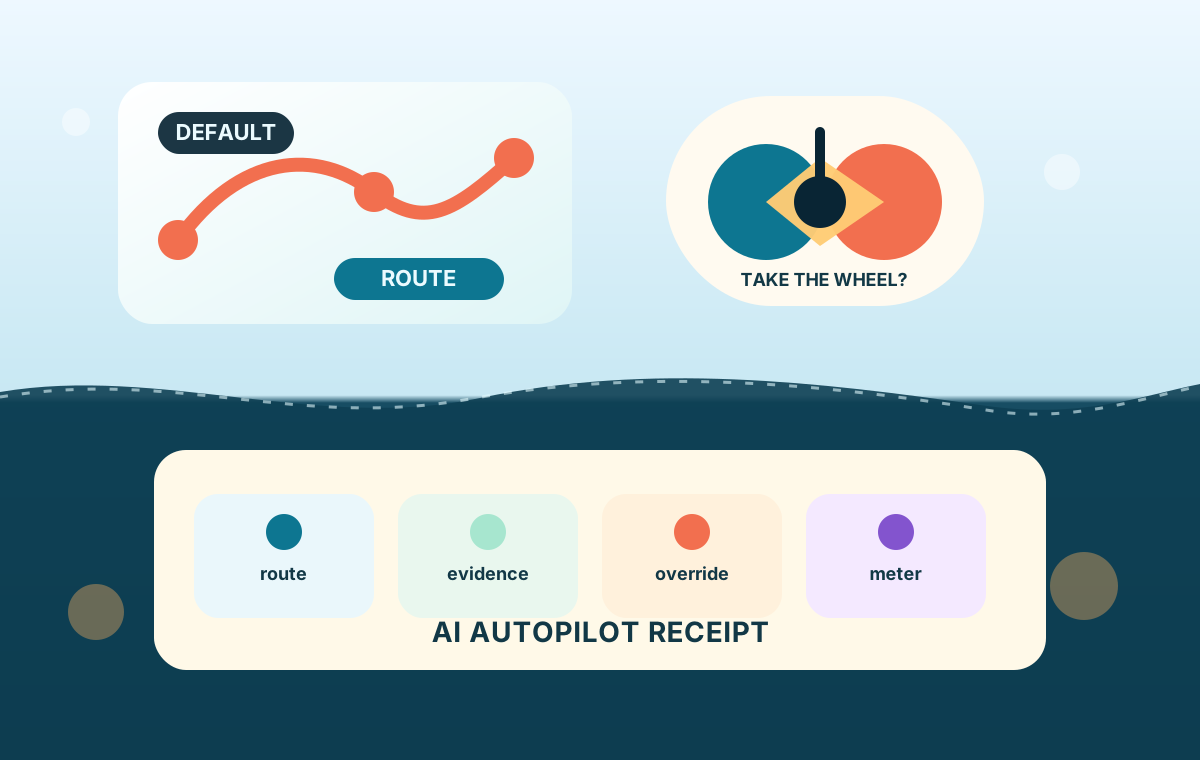
 A plain-English June briefing on the quiet shift from AI as an optional helper to AI as the route ordinary work is expected to take.
 News lens
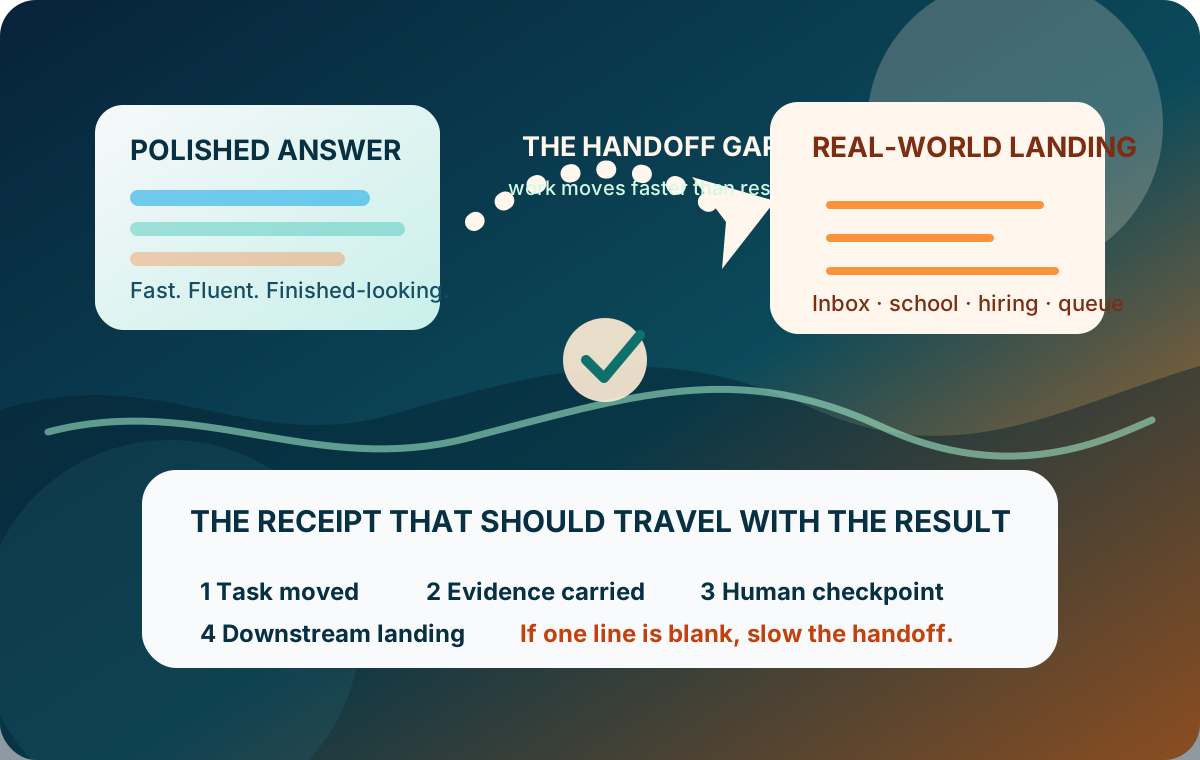
 A plain-English June briefing on the gap between AI capability and human accountability: where a tool drafts, ranks or routes faster than anyone can inspect the handoff.
 News lens
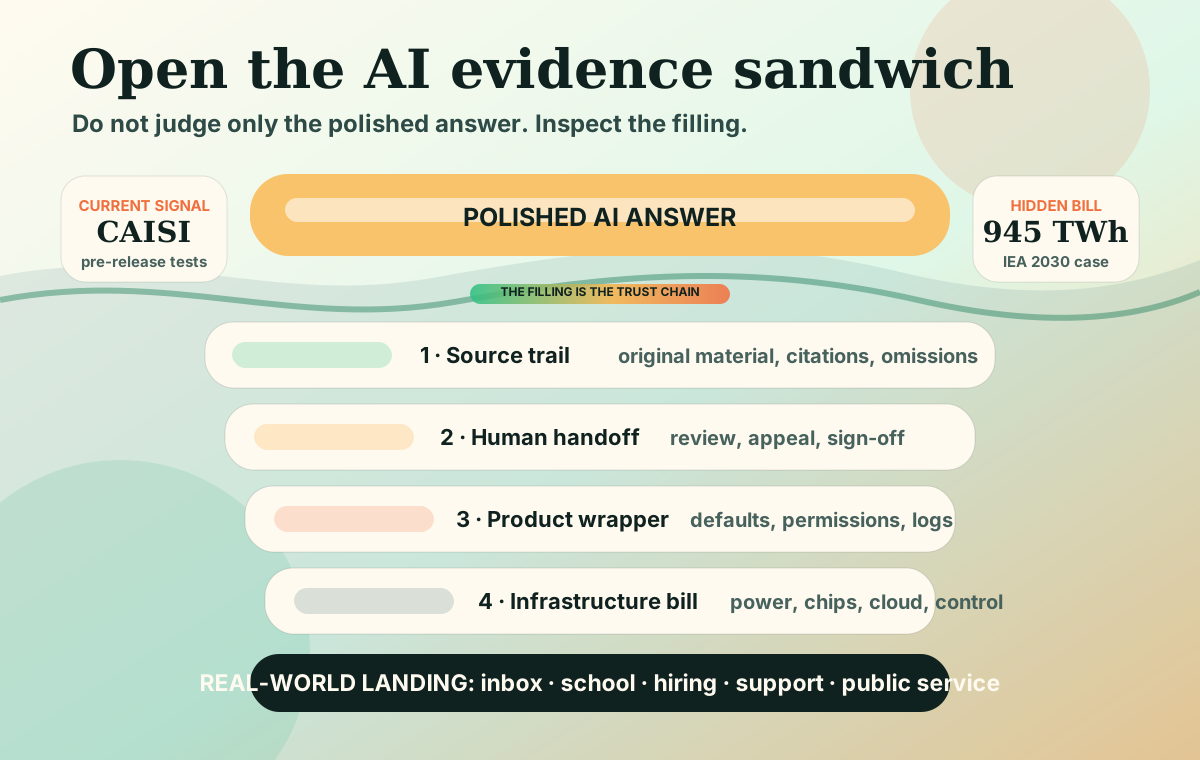
 A practical current-news lens for reading AI claims: put every impressive output between its source trail, human handoff and infrastructure bill before calling it useful.
 News lens
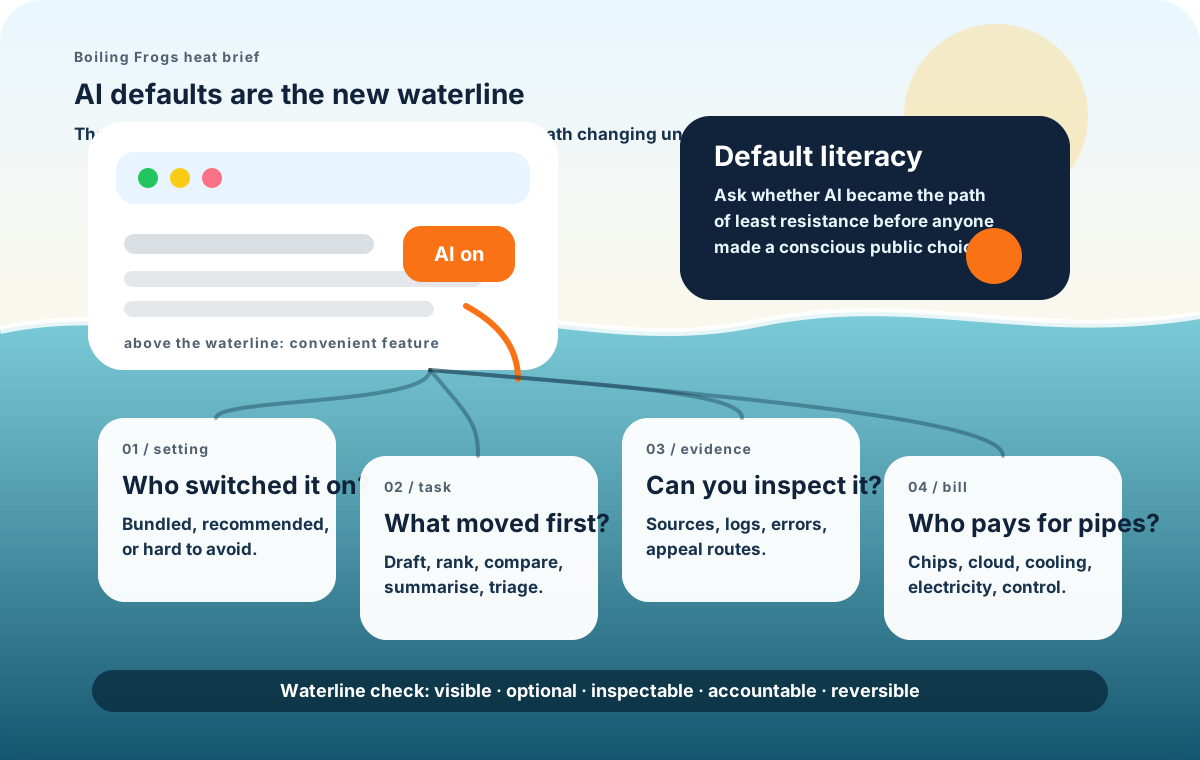
 The quiet AI shift is not only better models. It is AI moving into default settings, office habits, infrastructure bills and everyday decisions before most people realise the room has changed.
 News lens
 The loud AI story is model launches. The quieter reader story is capital, adoption, work habits and electricity turning AI from a clever feature into shared infrastructure.
 News lens
 AI model rankings change too fast to read as a single winner list. The useful question is what task was tested, what source backs it, what it costs, and where a human will meet the result.
 Power & society
 AI change is no longer only a model-launch story. The hotter question is which settings, permissions, costs and logs move into the ordinary tools families, schools and teams already trust.
 News lens
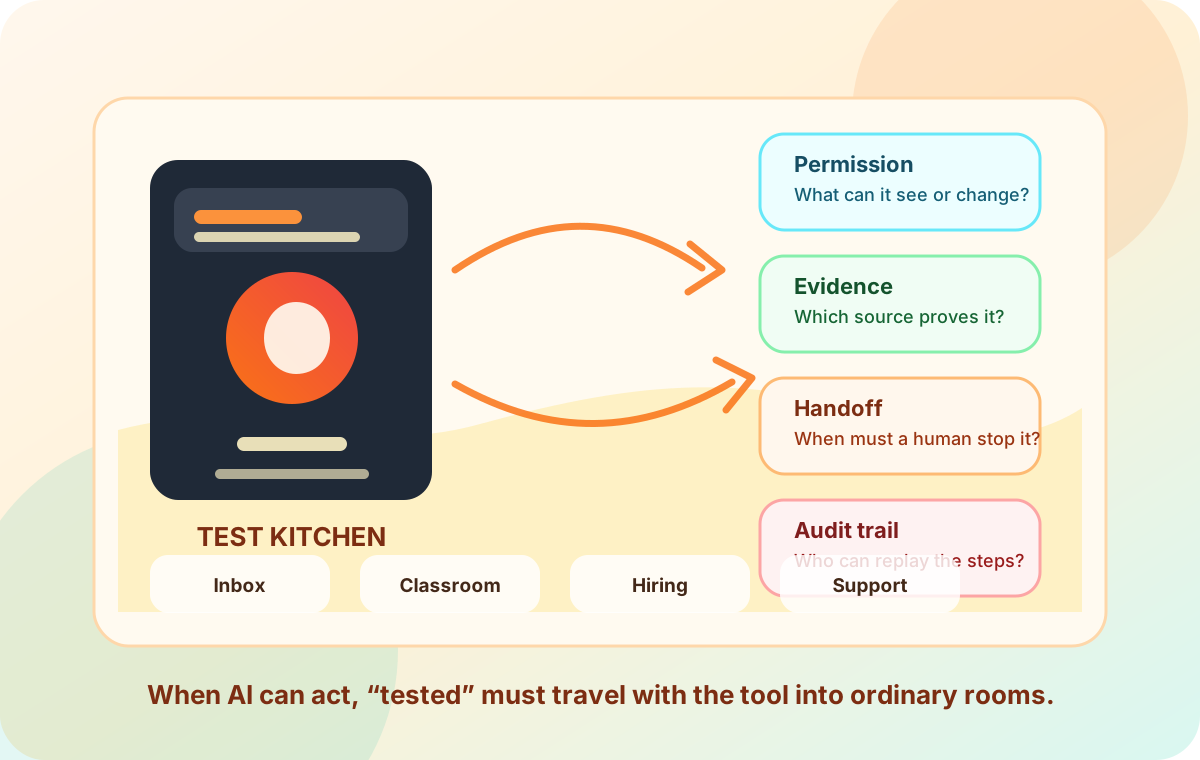
 AI agents are moving from answer boxes into workflows. The practical question is not whether a model was tested once, but whether permission, evidence, handoff and audit checks travel with it into ordinary rooms.
 News lens
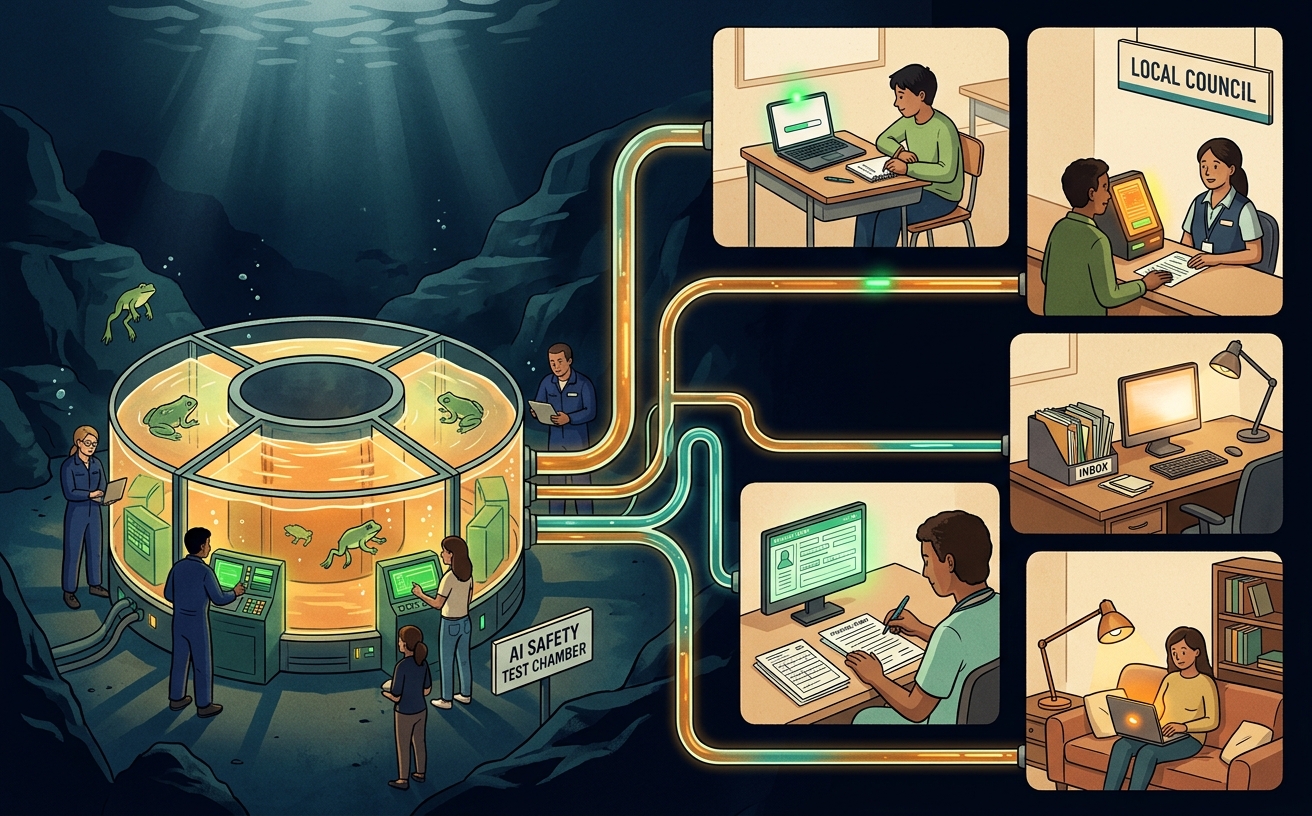
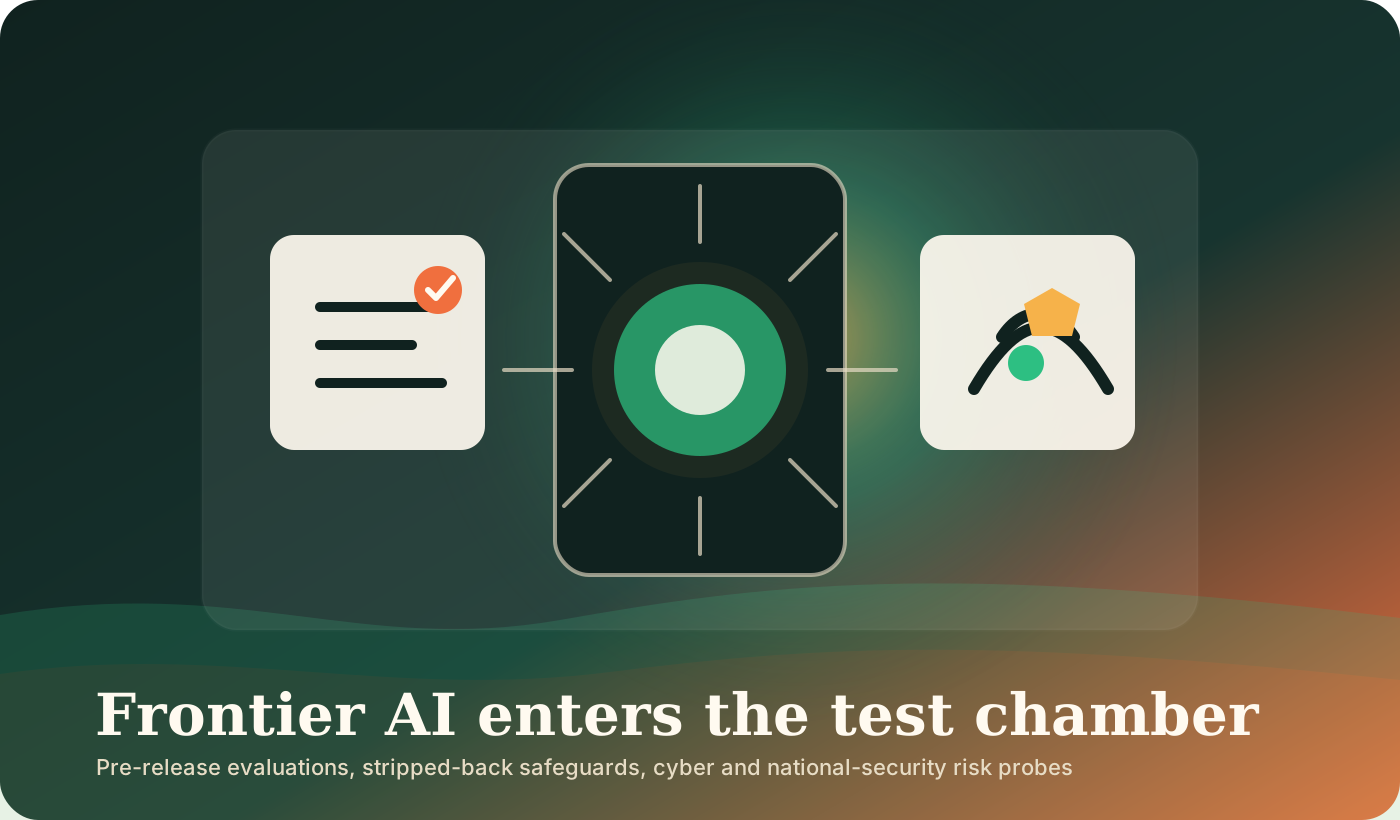
 A plain-English briefing on frontier AI safety testing: why pre-release checks matter, what they do not prove, and how readers can translate a lab result into ordinary downstream questions.
 Power & society
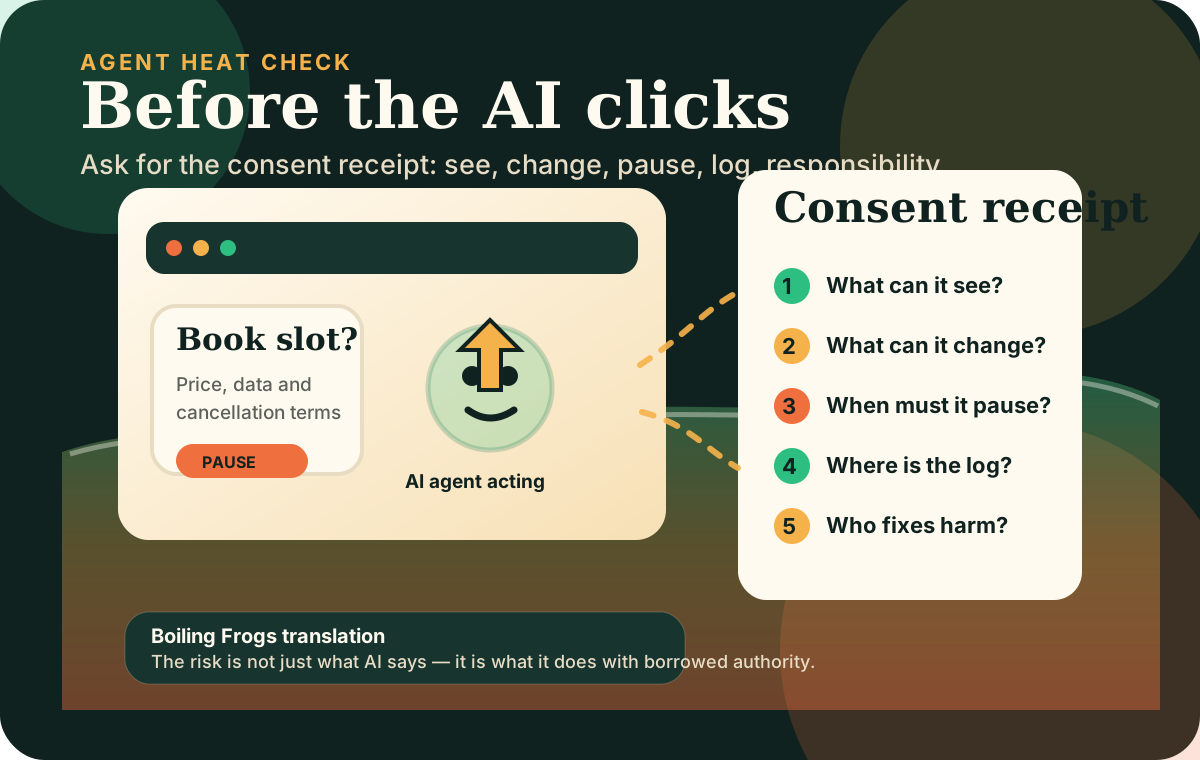
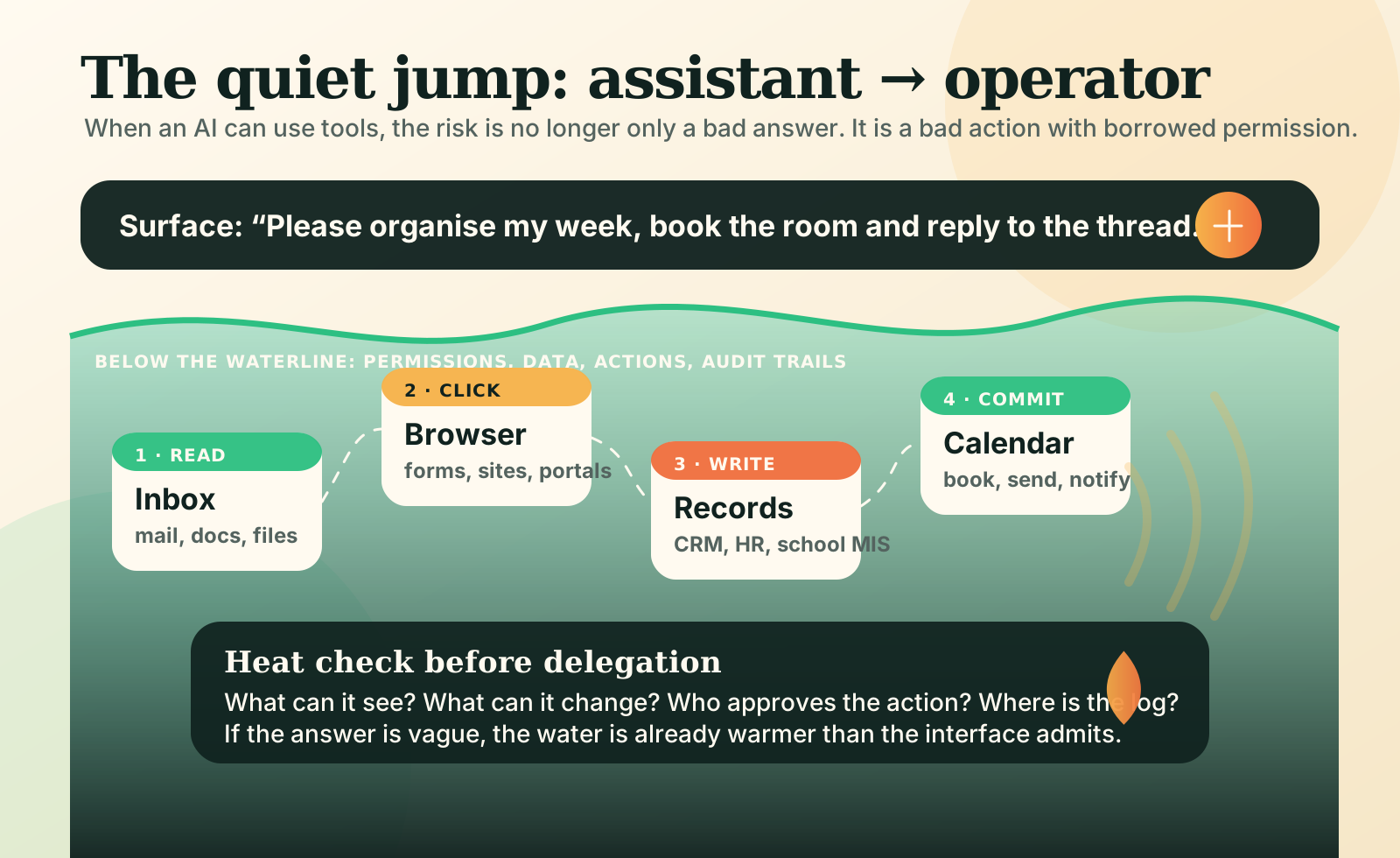
 A plain-English briefing on browser-using AI agents: why the next heat check is not only what an AI says, but what it can see, click, file, buy or send on your behalf.
 Power & society
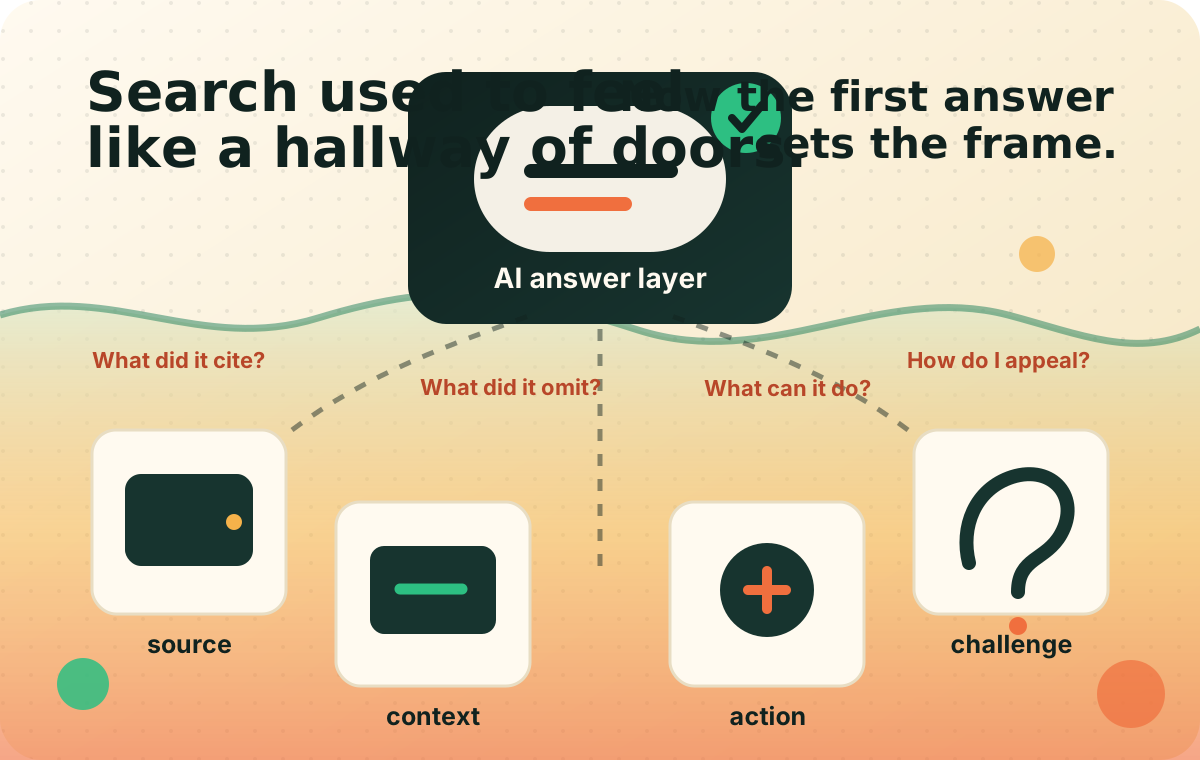
 A plain-English briefing on AI answer boxes, agents and search: why the front door to information is becoming a decision layer, and what ordinary readers should check before trusting the shortcut.
 Work
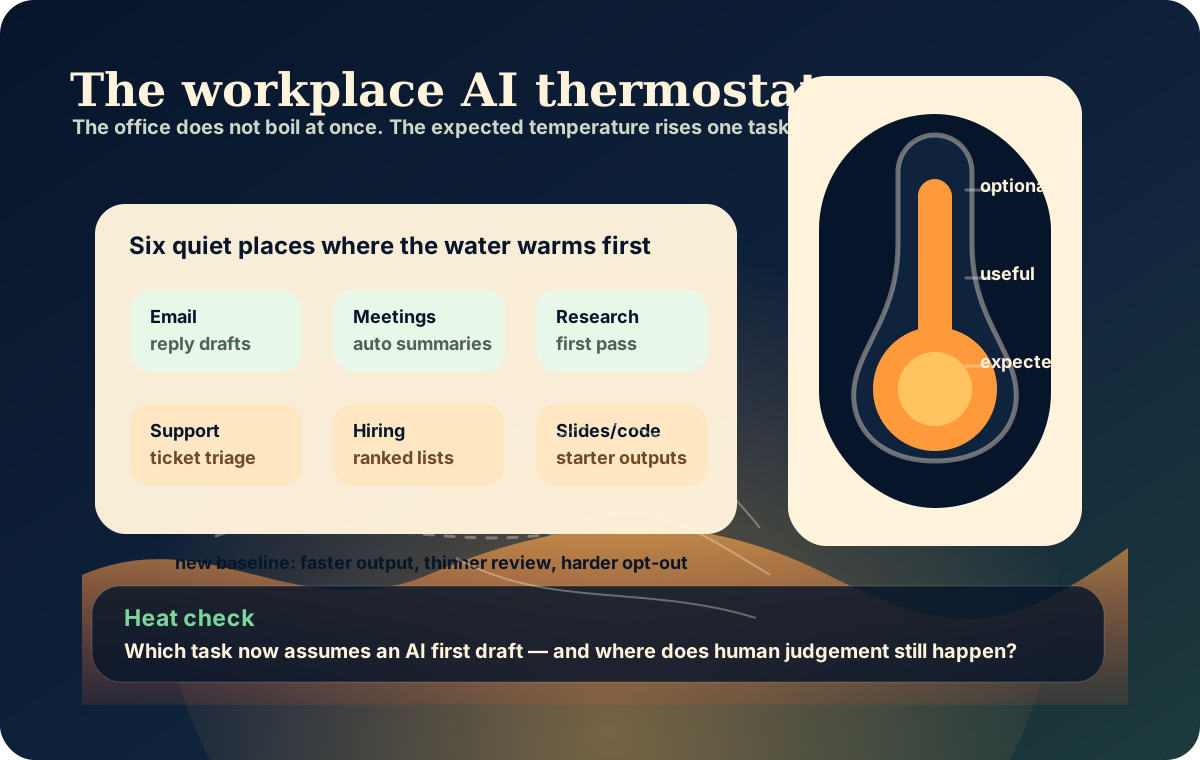
Work A sourced briefing on how AI use at work moves from experiment to expectation — and what employees, managers and families should watch before the new normal locks in.
 News lens
 A plain-English briefing on the quiet shift from AI that answers to AI that clicks, files, books, buys and edits with borrowed permission.
 Power & society
 A plain-English briefing on why AI now feels weightless on a phone while becoming heavy infrastructure in the real world.
 News lens
 A May 2026 US agreement with Google DeepMind, Microsoft and xAI shows the Boiling Frogs pattern in action: powerful AI is becoming infrastructure before most people understand the risks being tested.
 AI literacy
 AI literacy is no longer only a technical skill. It is becoming a practical civic skill: knowing what AI can do, where it can fail, and what questions to ask before trusting it.
 Power & society
 The AI story is not only about smarter tools. It is also about who controls the systems, data, infrastructure, defaults, and decisions that shape how those tools reach society.
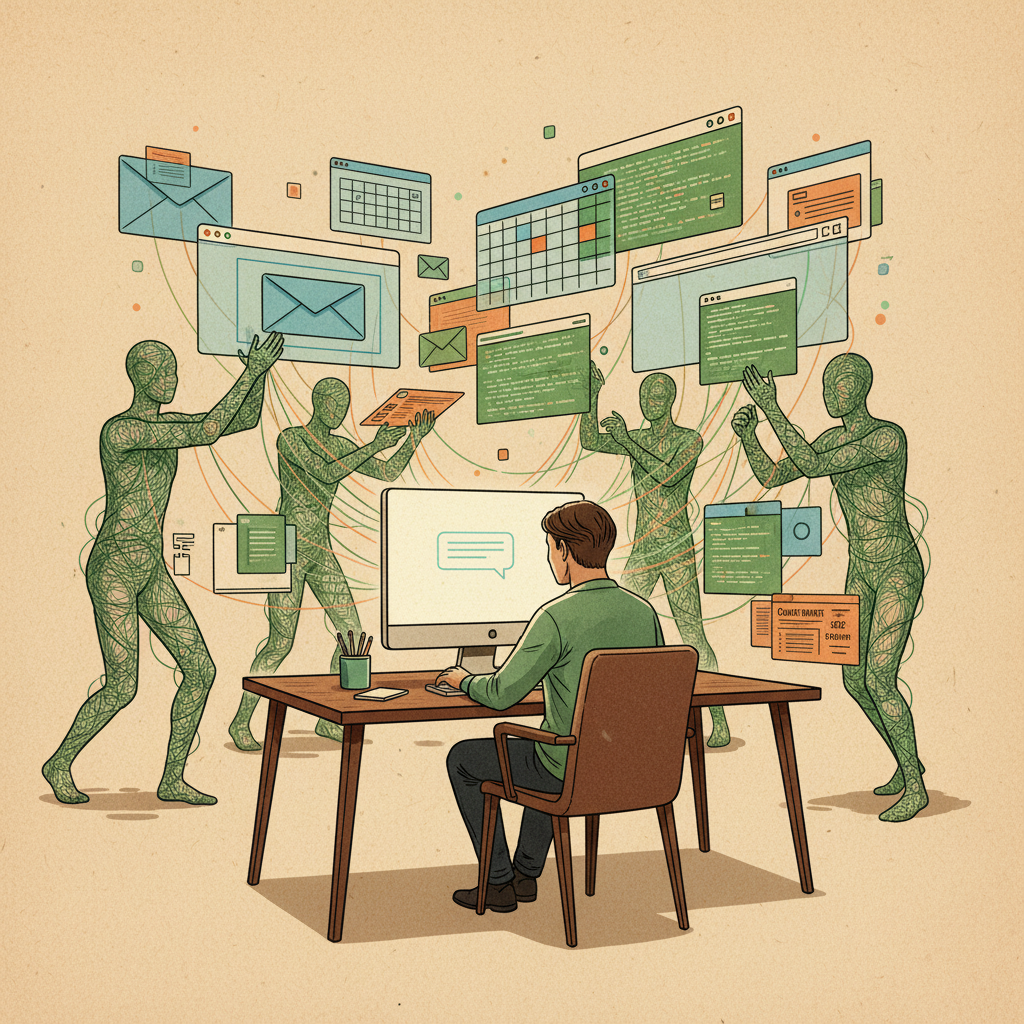 Explainer
 The next phase of AI is not just systems that answer questions. It is systems that can take actions. That shift matters.
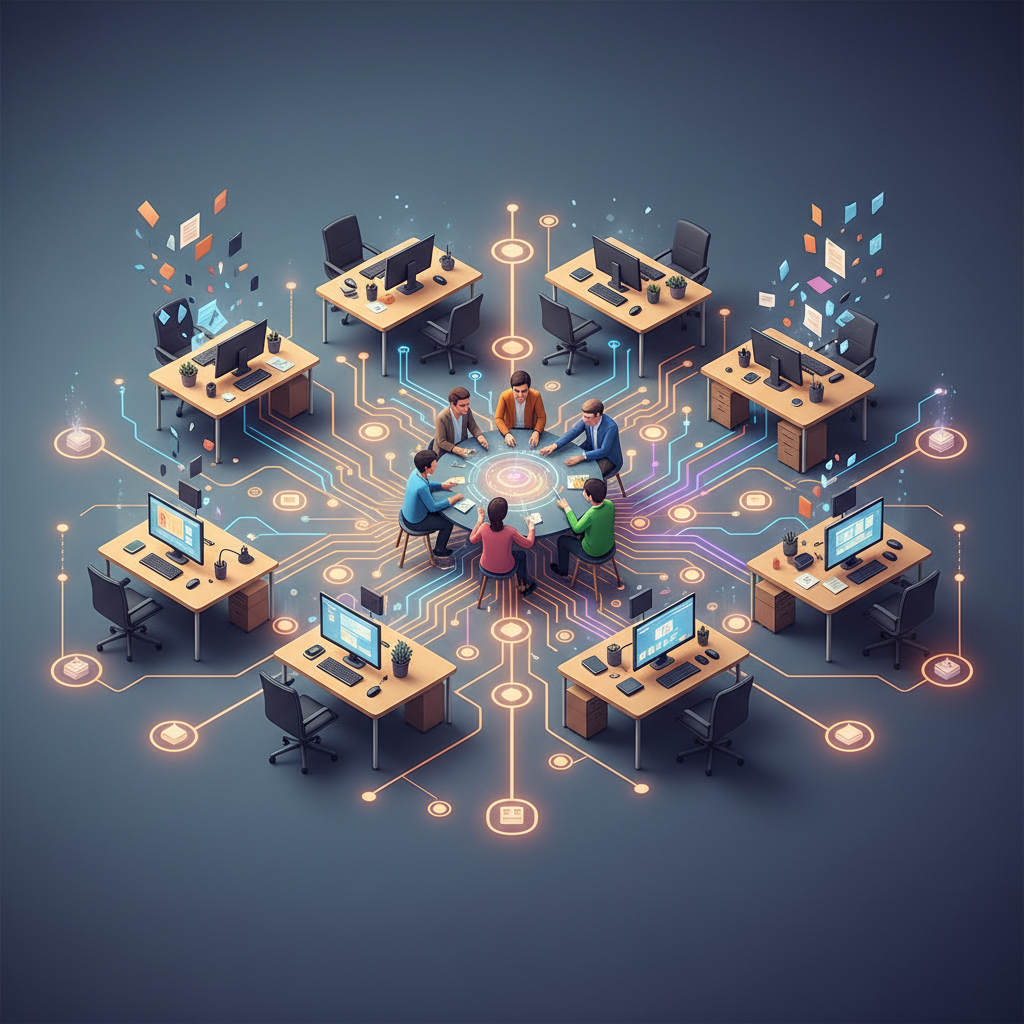 Work
Work AI is unlikely to affect every job in the same way. The important question is which tasks change first, and how people adapt.
Start here AI progress has been building for years, but many people only noticed when the effects became visible. This is why the change feels sudden — and why awareness matters now.